
19 Living Room Table Ideas That Look Expensive
Buying a table before measuring the sofa is the mistake that costs the most, because a piece that’s two inches too tall or eight inches too long annoys you every single day. A good living room table doesn’t need a big budget. It needs the right height, a sensible footprint, and a top that survives mugs, laptops, and a Tuesday-night pizza box.
The 19 ideas below cover thrifted oak, hardware-store builds, stone offcuts, and a few pieces that were never meant for the living room at all. Skim the headings, pick the one that fits your room, and read the measuring section before spending anything.
Why a living room table doesn’t have to break the bank
A living room table is the piece most likely to be overpaid for, because showroom prices bundle in the trend. Look at construction instead. A solid top, sturdy joints, and a finish you can redo cost far less secondhand than they do new.
Most ideas here land under $150, and several come in well below that. A few cost only the price of a sample pot of paint. Pick by function first (storage, lifting, folding), then by material, then by looks.
A thrifted solid oak coffee table, refinished
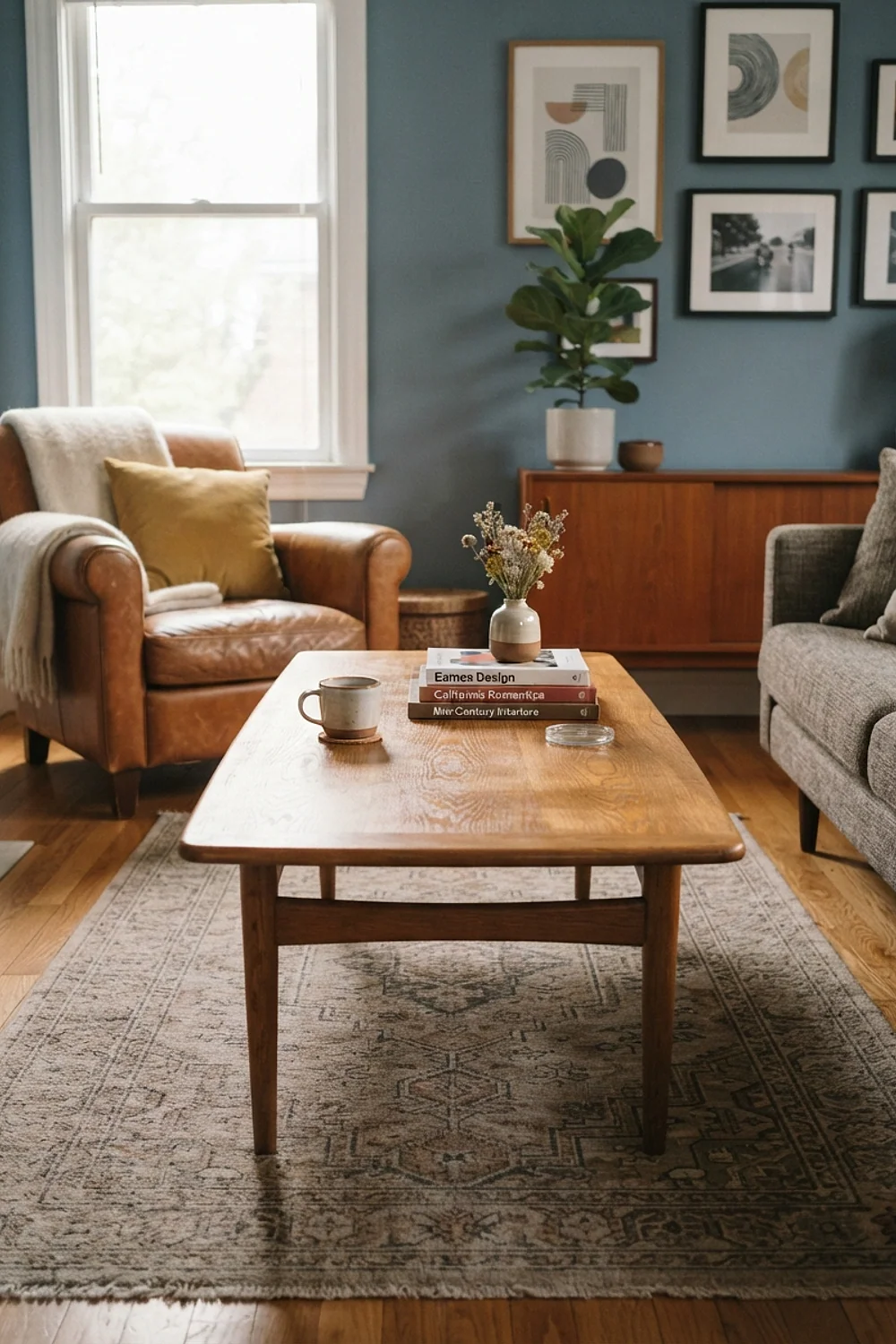
A solid oak coffee table with a tired orange finish usually sells for $40-90 and beats a new particleboard one within a week of use. Check the edges: grain that wraps around the corner means solid wood, while a thin paper-like line means veneer. Veneer thinner than 1/16 inch sands through fast, so skip those.
This suits anyone with a free Saturday and a random orbital sander. Start at 80-grit, finish at 220, then wipe on a matte Danish oil (about $14 a pint). The pitfall is skipping stripper on old lacquer, which gums up sandpaper in minutes.
A right-sized rectangle for a small room
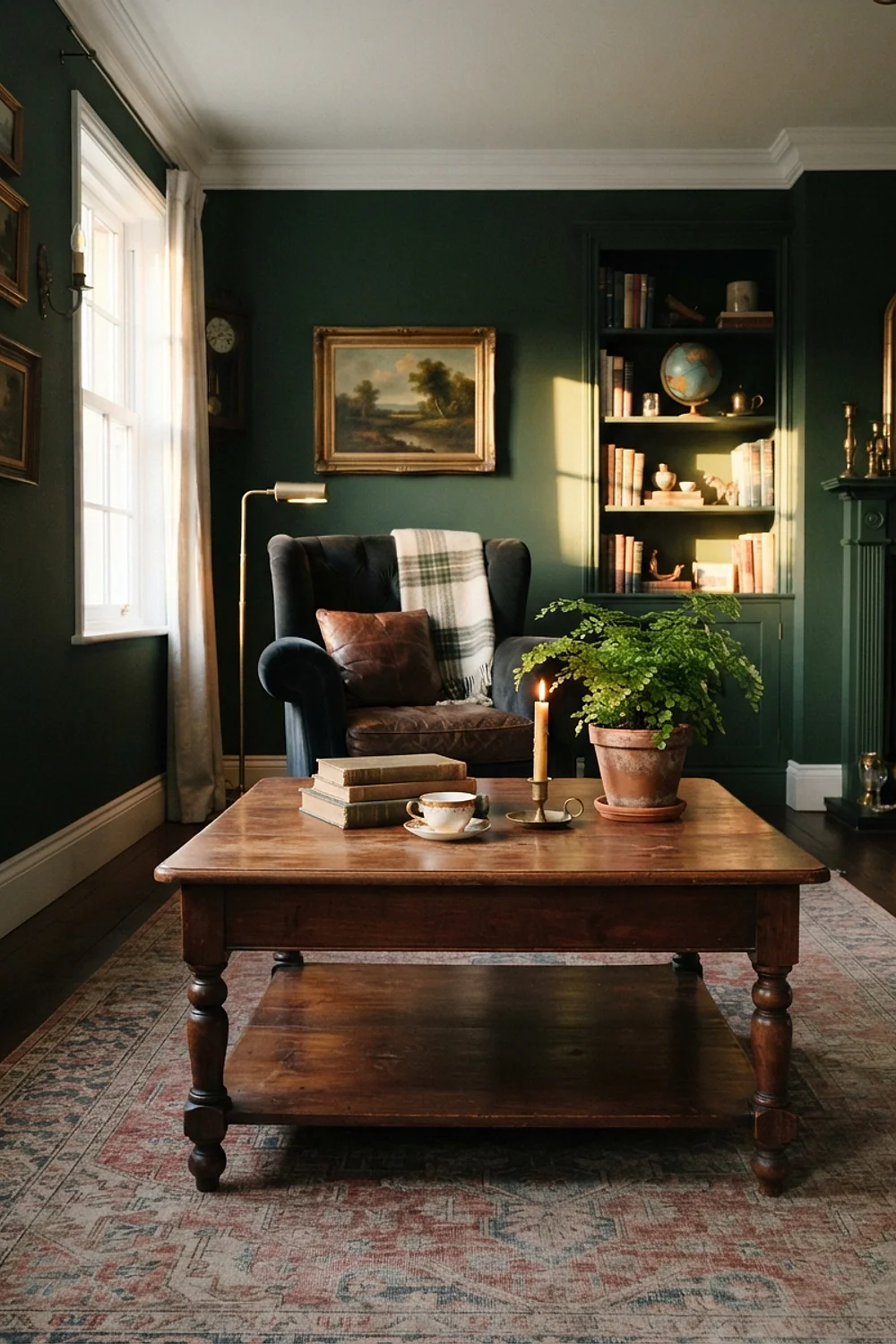
A 48-inch rectangle jammed into a 10×12 foot room is the most common failed purchase. It leaves a walkway under 18 inches wide, so everyone ends up bruising a shin or dragging the table into the sofa. Anything that fights the traffic path eventually gets sold at a loss.
Aim for roughly two-thirds the length of the sofa. For an 84-inch sofa that’s around 56 inches at most, and in a small room 40 inches is plenty. Renters in apartments should size down first and shop second.
A cube shelf turned on its side
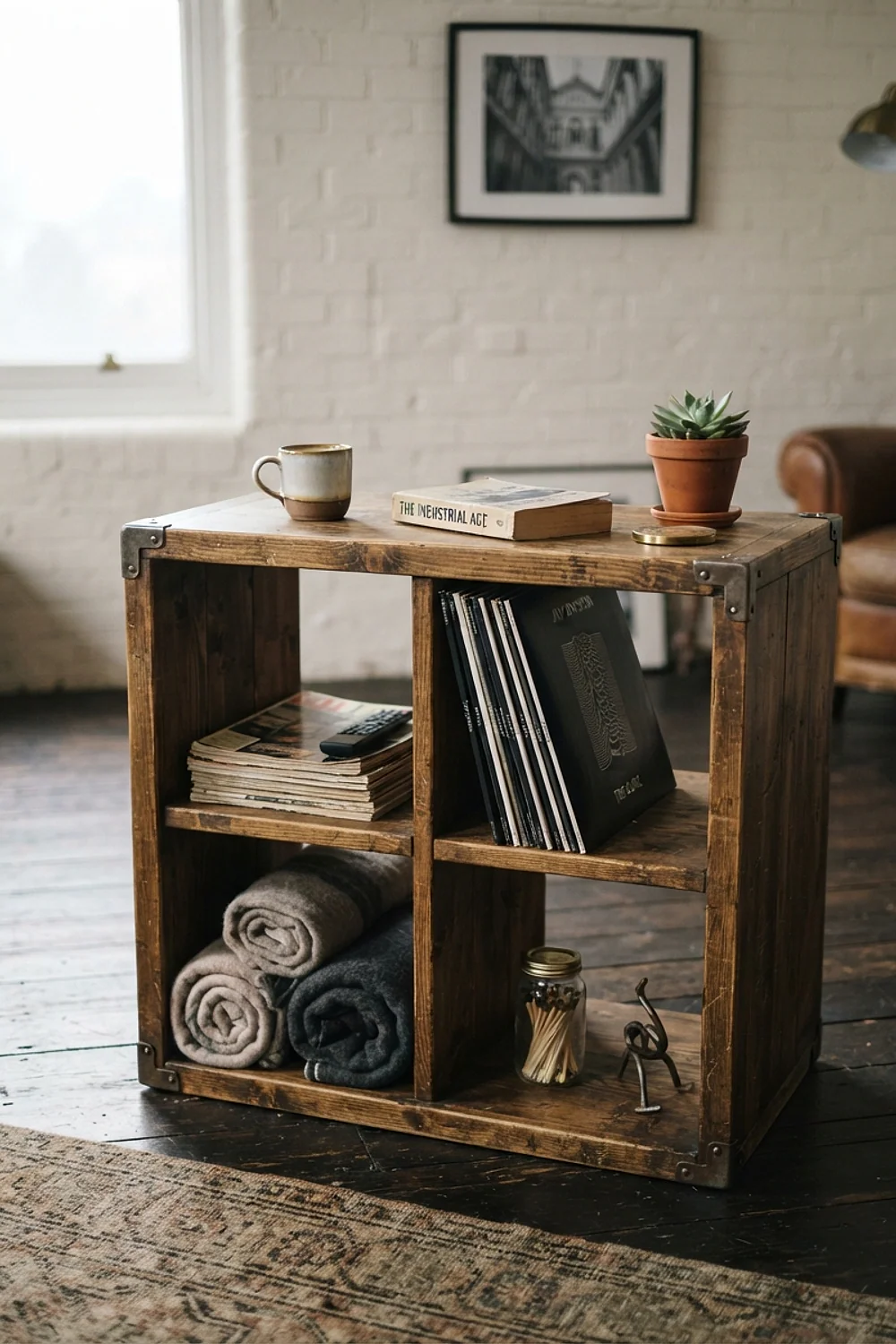
A 30-inch square cube shelf laid on its side gives you a 15-inch-tall table with four open cubbies for remotes, baskets, and board games. A basic 2×2 unit runs roughly $60-80 new. It’s the tidiest answer for anyone drowning in clutter.
Fifteen inches sits low for most sofas, so add four 3-inch tapered legs to reach about 18 inches (particleboard holds screws poorly, so drill pilot holes and use wood glue). Slide in woven baskets to hide the mess.
A 36-inch round pedestal table at coffee height
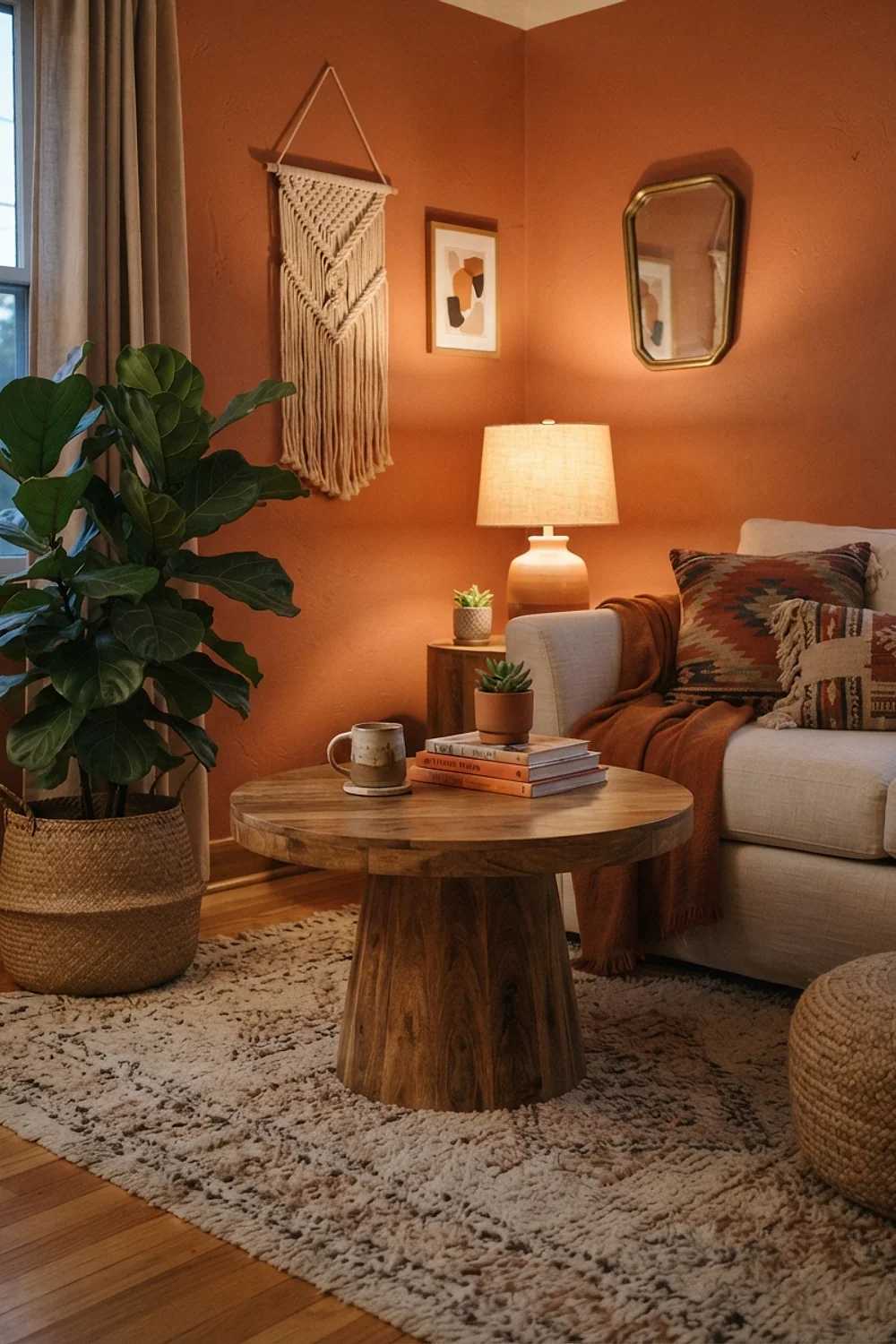
A round top with a single pedestal has no corners to catch hips and no legs to catch toes. A 36-inch circle covers about 7 square feet of floor, against 8 for a 24×48 rectangle, so it feels lighter in a tight room. Hunt for coffee-height versions, 16-18 inches tall.
This works best in an open plan where people approach from every side. Check the pedestal’s footprint, because a heavy base wider than 18 inches defeats the purpose and can chip a rug edge.
A lift-top table from the secondhand market
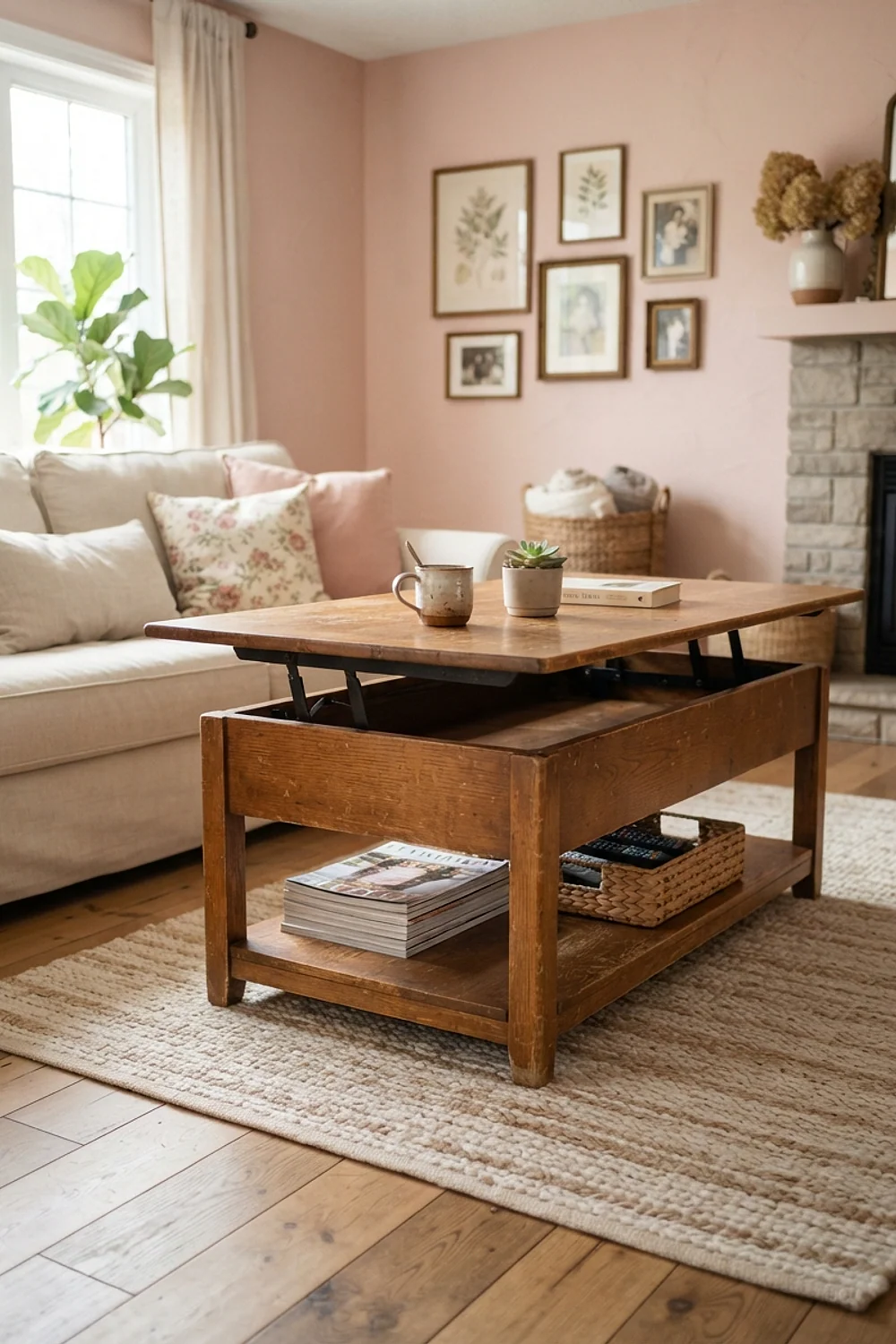
A lift-top table rises 6-10 inches to laptop or dinner-tray height, and secondhand units sell for $80-150. It’s the right call if the sofa doubles as an office and a dining spot. The top also reveals storage underneath for throws and charging cables.
Test the mechanism at least five times before paying. Gas springs that sag or hinges that wobble are the usual failures, and a table that won’t hold its position is worse than a fixed one.
A bare table dressed with three things
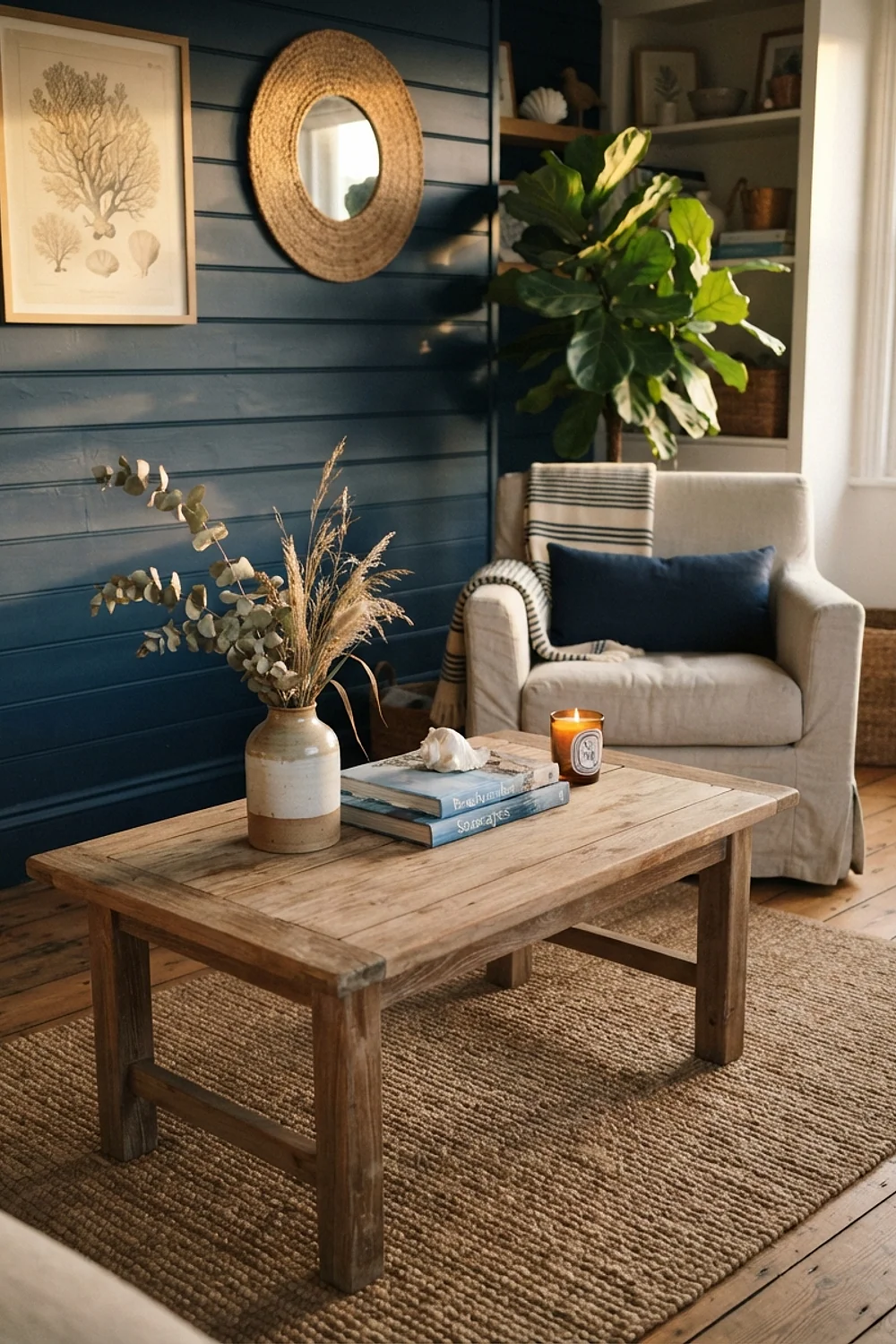
A low vase, a 14-inch round tray, and one stack of two books turn any thrifted table into a composed surface. Vary the heights so the eye travels up and down, and cover no more than a third of the top. Leave the rest for a mug.
Keep every object under 10 inches tall, or it blocks the sightline to the TV and to whoever sits opposite. This is the free upgrade for anyone who already owns a table and just dislikes it.
A clear acrylic table for dark rooms
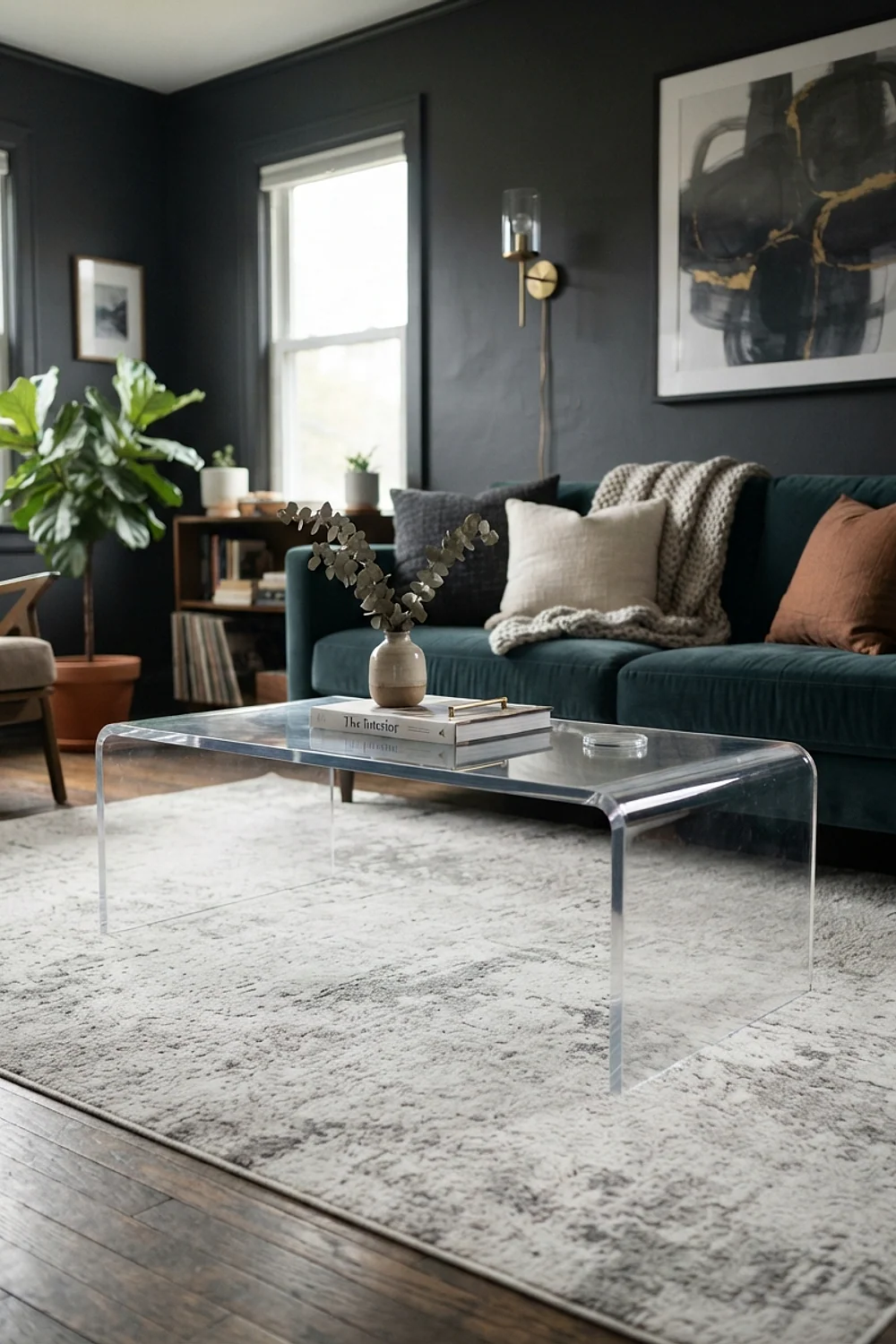
A clear acrylic table lets light pass through and shows off the rug beneath it. In a north-facing room, where the 4pm sun is thin and gray, that transparency stops the floor from feeling chopped in half. Expect $70-130 for a decent one.
Choose a thickness of at least 3/8 inch, or the top bows under a stack of books. Acrylic scratches, and ammonia-based glass cleaner clouds it, so use a plastic polish and a microfiber cloth.
A thrifted pine table in a sample-pot color
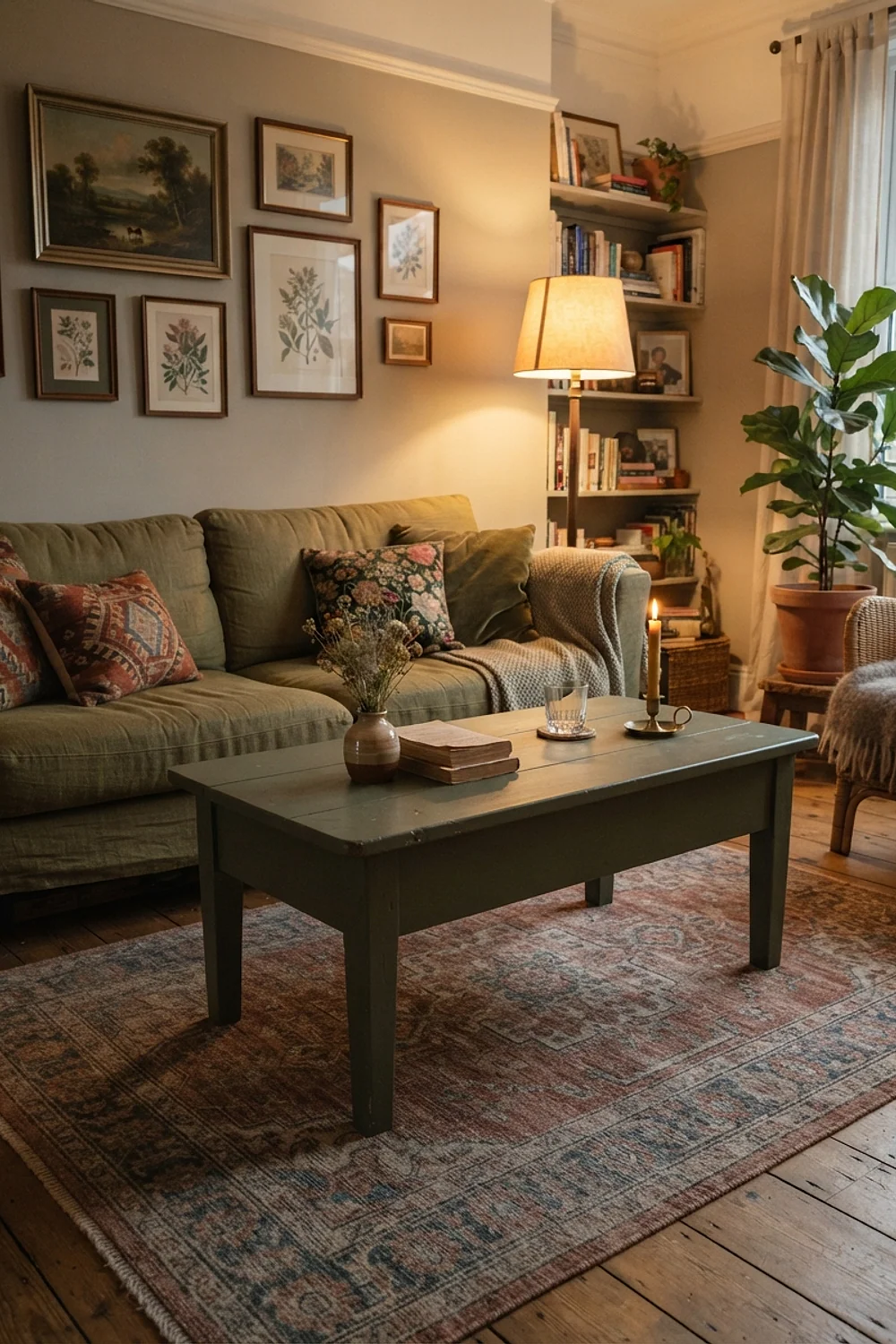
A knotty pine table painted deep olive green costs the price of one 8-ounce sample pot and about 90 minutes. Pull the shade from your existing room colors, such as the rug’s secondary tone, and the table looks planned instead of rescued. Two coats cover a table around 24×42.
Scuff the surface with 220-grit and use a bonding primer first, or the paint peels at the edges within a season. Pick satin or semi-gloss enamel, since flat paint marks up with the first wet glass.
An oval table with rounded corners and a low profile
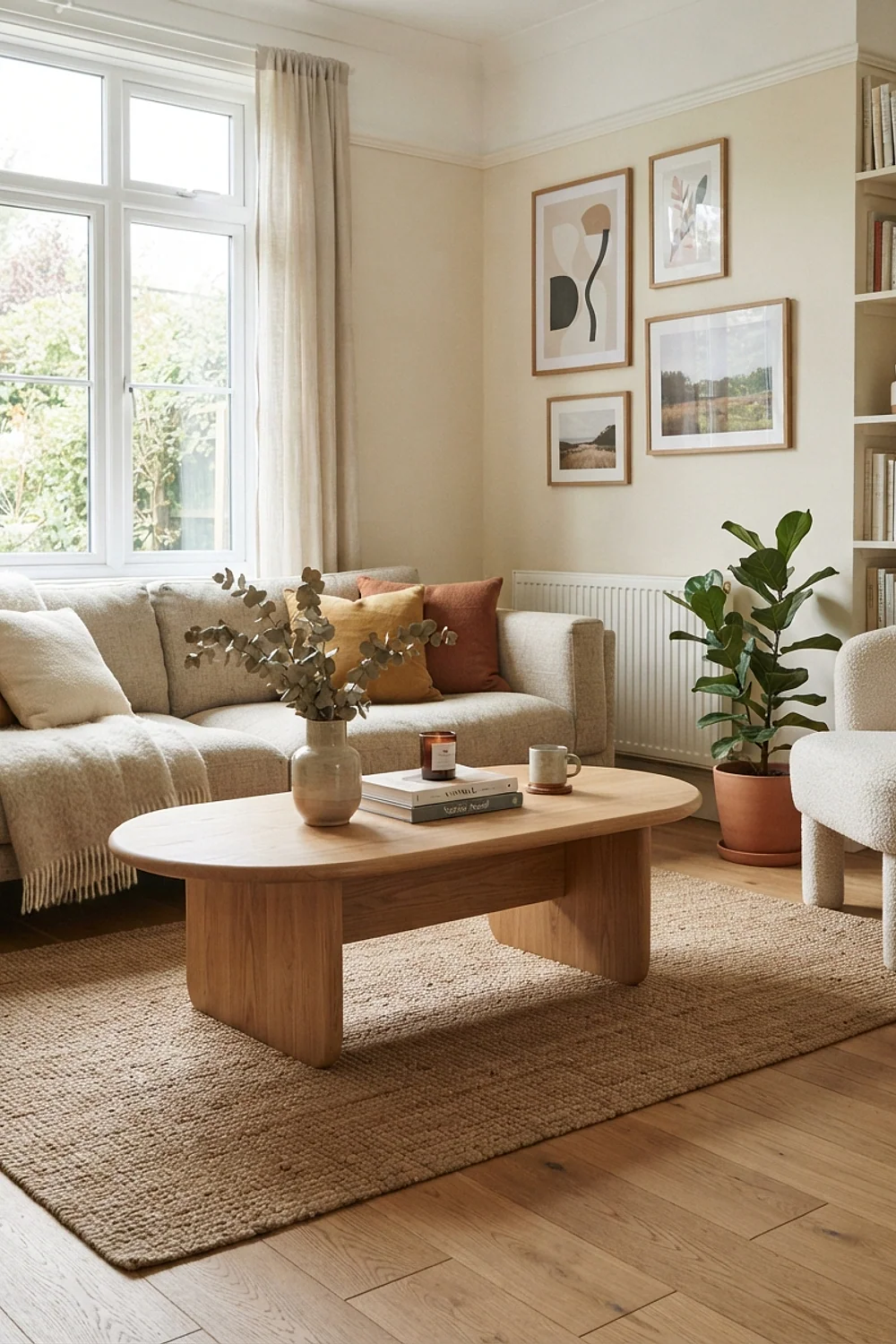
An oval top about 1-2 inches below the sofa seat is more comfortable than a taller one, which sounds backwards. Your knees clear it, and reaching for a mug takes less shoulder. Sofa seats run 17-19 inches high, so a table around 16-17 inches is the sweet spot.
Rounded corners matter most in homes with toddlers and tight walkways. If the table you love has hard corners, stick-on silicone bumpers cost a few dollars and buy peace of mind.
Two 20-inch cube tables that split or join
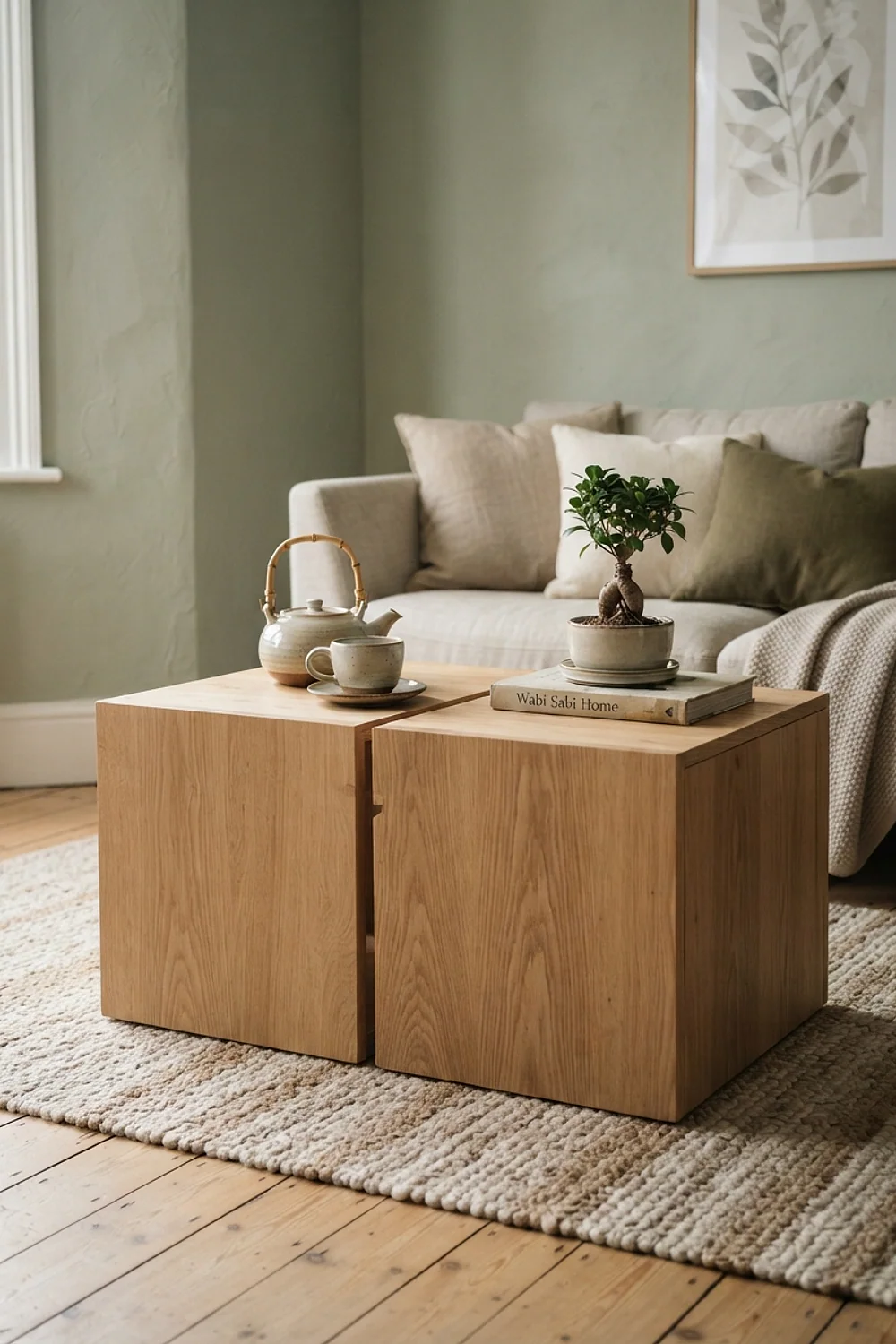
Two matching 20-inch square tables push together into a 40-inch coffee table for movie night, then split to flank an armchair when guests come over. This layout suits rooms that change roles during the week. Wooden or metal-frame cubes both work.
Buy them as a set, since mismatched heights ruin the join. Measure a gap of 16-18 inches from the sofa edge to the nearest table so nobody has to shuffle sideways to sit down.
A marble remnant on hairpin legs
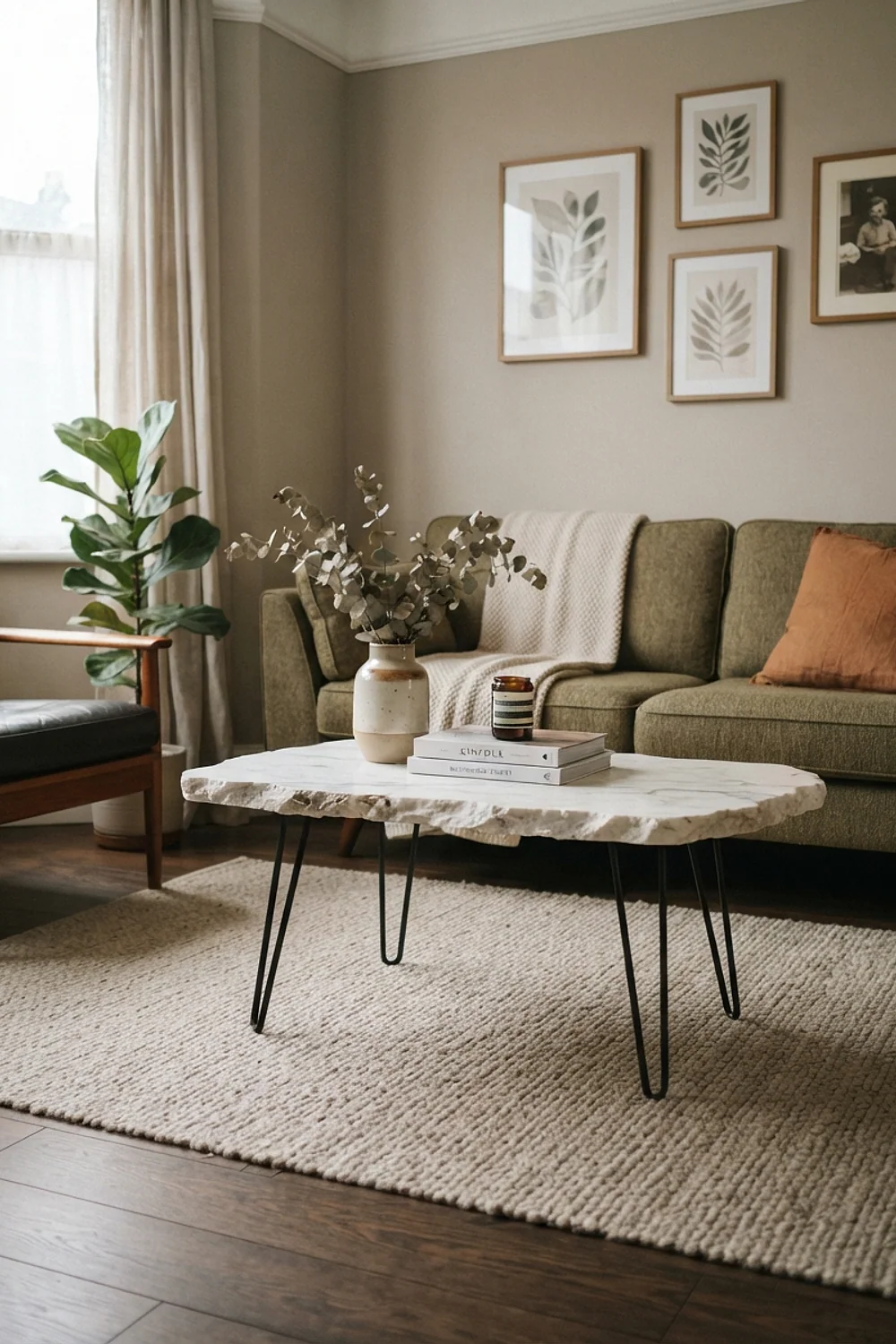
A 24×24 marble offcut, 3/4 inch thick, usually costs $30-80 at a stone yard and weighs around 40 pounds. Pair it with a set of 16-inch hairpin legs ($25-35) and it reads like a boutique piece. Ask the yard for polished edges, since raw cuts snag sleeves.
Marble etches under lemon juice and red wine, so seal it with a stone sealer twice a year. Not every fabricator sells leftovers, so call two or three before driving out.
Skip the viral pebble or bouclé table
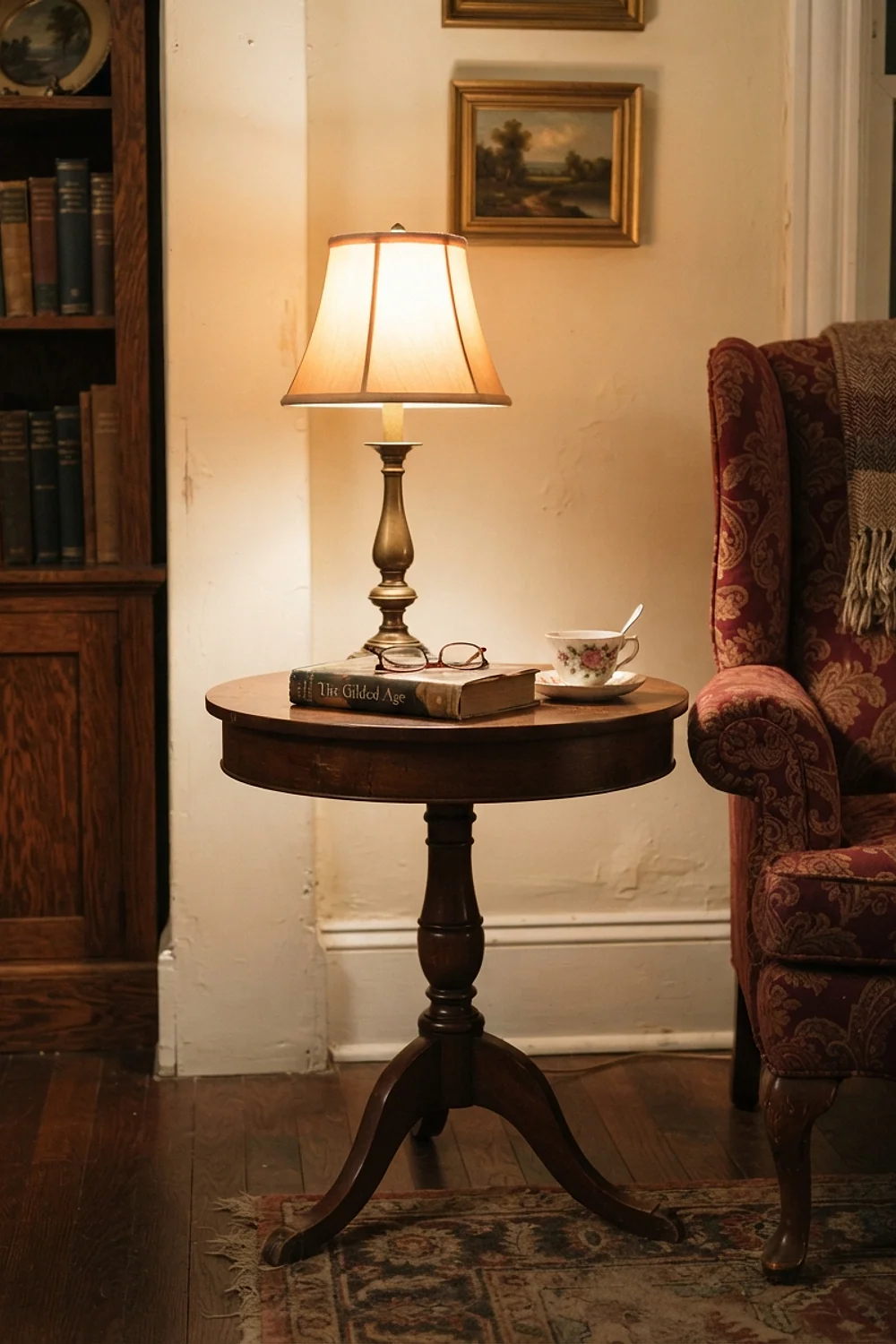
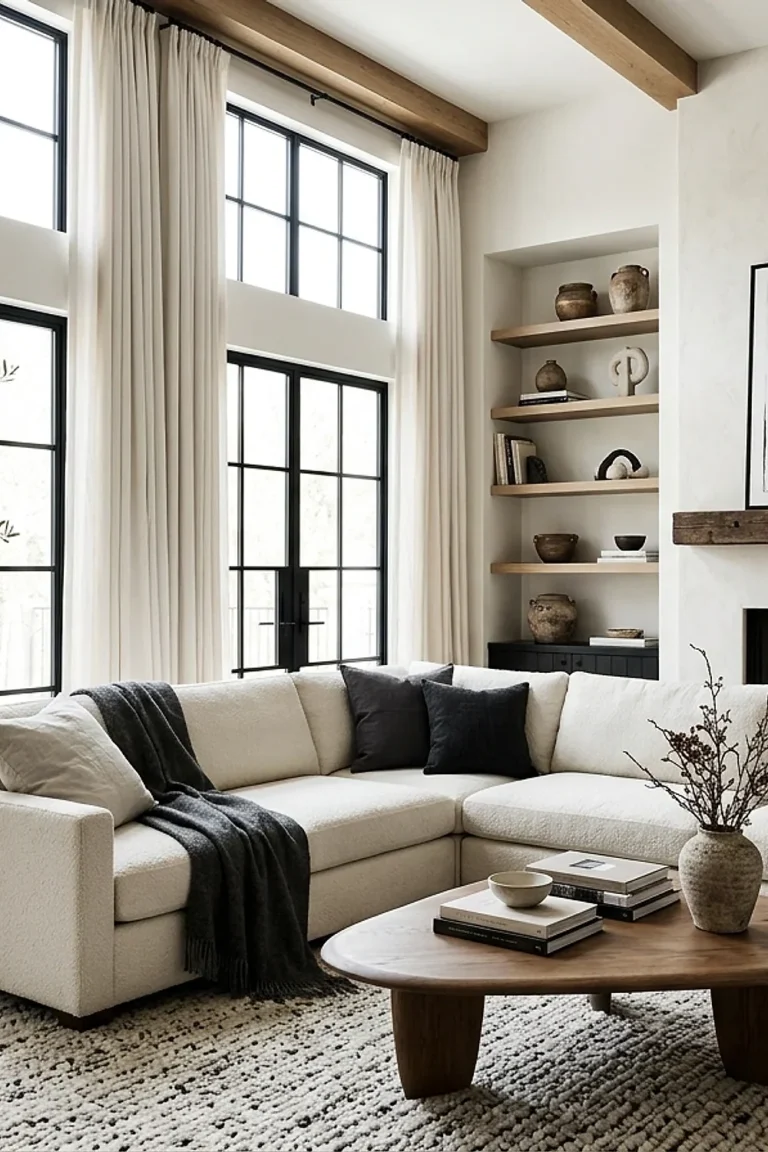
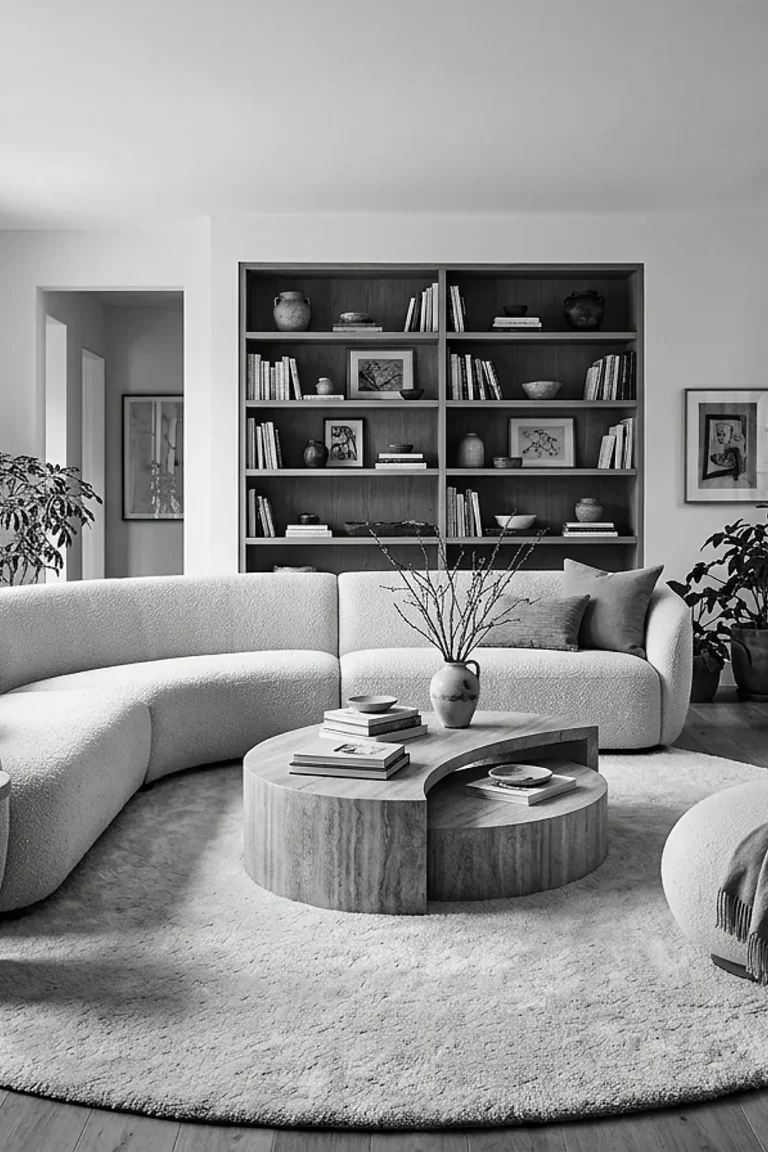
A pebble-shaped, bouclé-wrapped table looks great in a photo and starts pilling within a season. The shape only works with the trend that produced it, and fabric on a low table collects crumbs and coffee rings. Trendy forms rarely age well.
Ask one question before buying: would this still work with a different sofa and different room colors? A plain rectangle or round in solid wood answers yes. A sculptural blob usually answers no.
A steamer trunk with storage built in
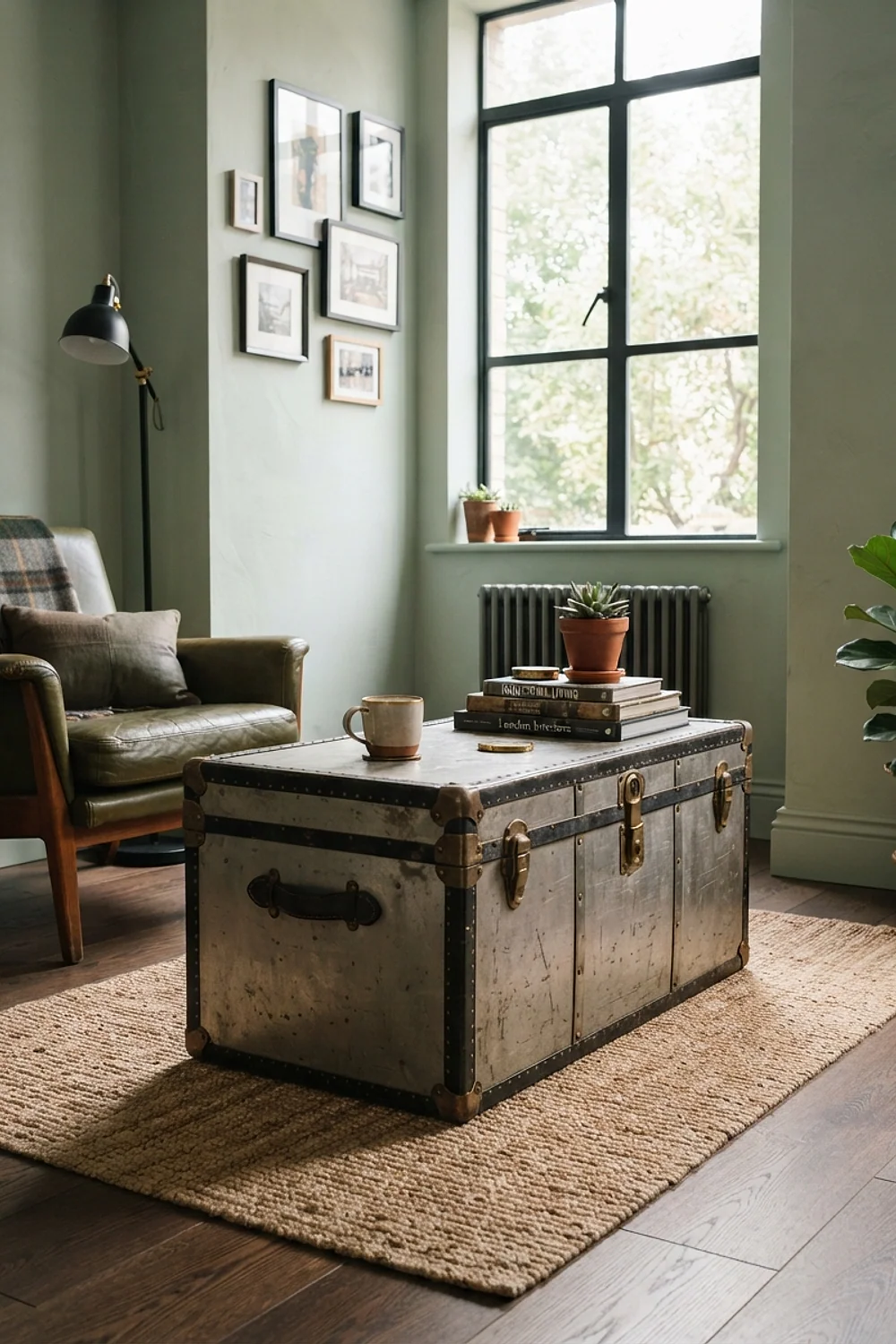
A vintage steamer trunk, about 32x18x16 inches, runs $50-100 and swallows two blankets and a pile of board games. The lid becomes the tabletop, and the leather or metal trim adds weight to a plain room. It’s best for homes short on closets.
Open it fully before buying and sniff for mildew. Baking soda and a few hours in direct sun usually fix mustiness. Stick felt pads under the corners so it doesn’t scratch the floor.
A single 20-inch drum table in a studio
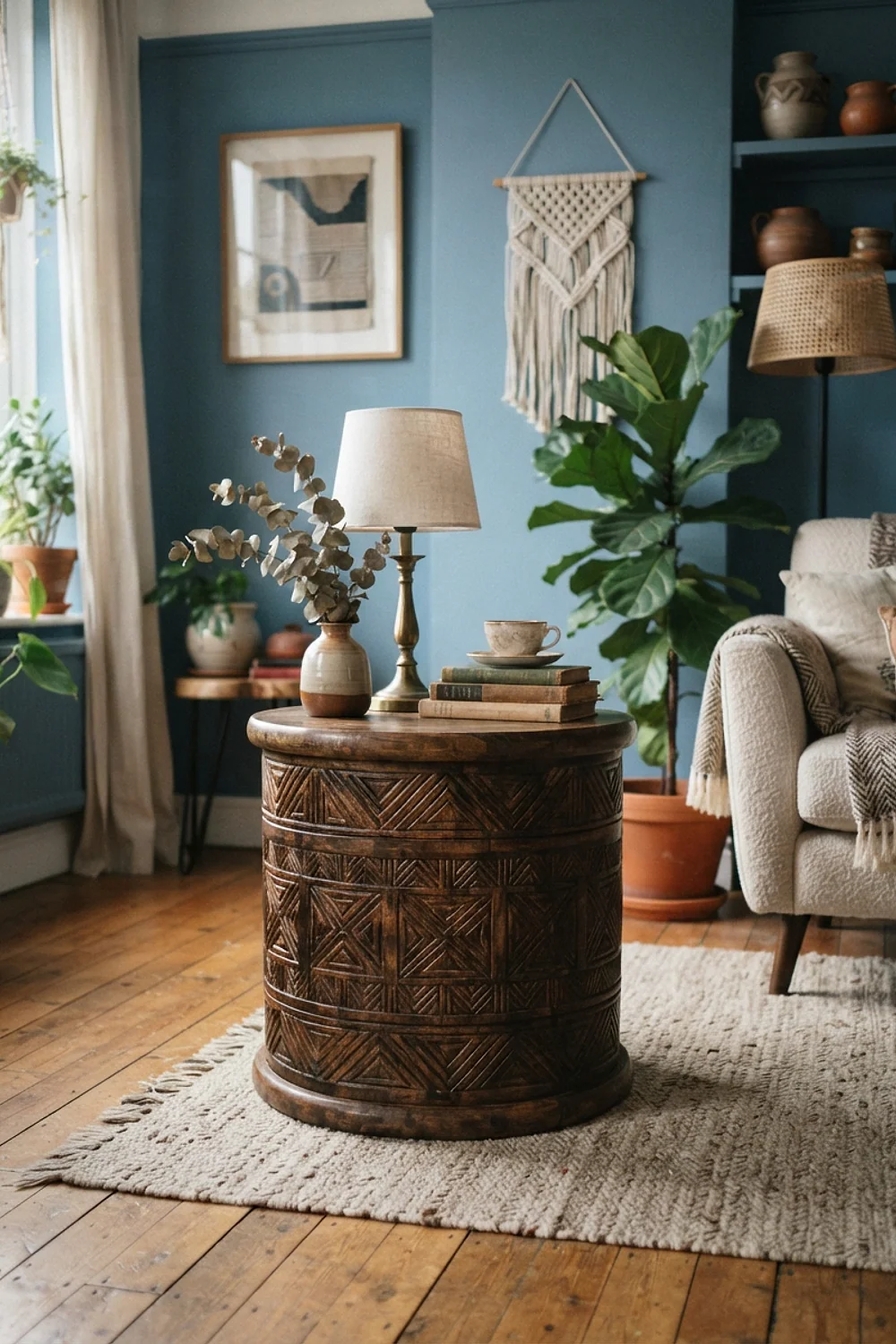
A 60-inch loveseat in a studio apartment is overwhelmed by anything larger than a 20-inch drum table. A solo small table keeps the floor visible, and visible floor makes the room read bigger. It’s the quiet choice when square footage is tight.
Pick one with a shelf or hollow base for the remote and a few magazines. The weak spot is a top under 18 inches across, which can’t hold a laptop and a drink together.
A drop-leaf table that folds to 12 inches
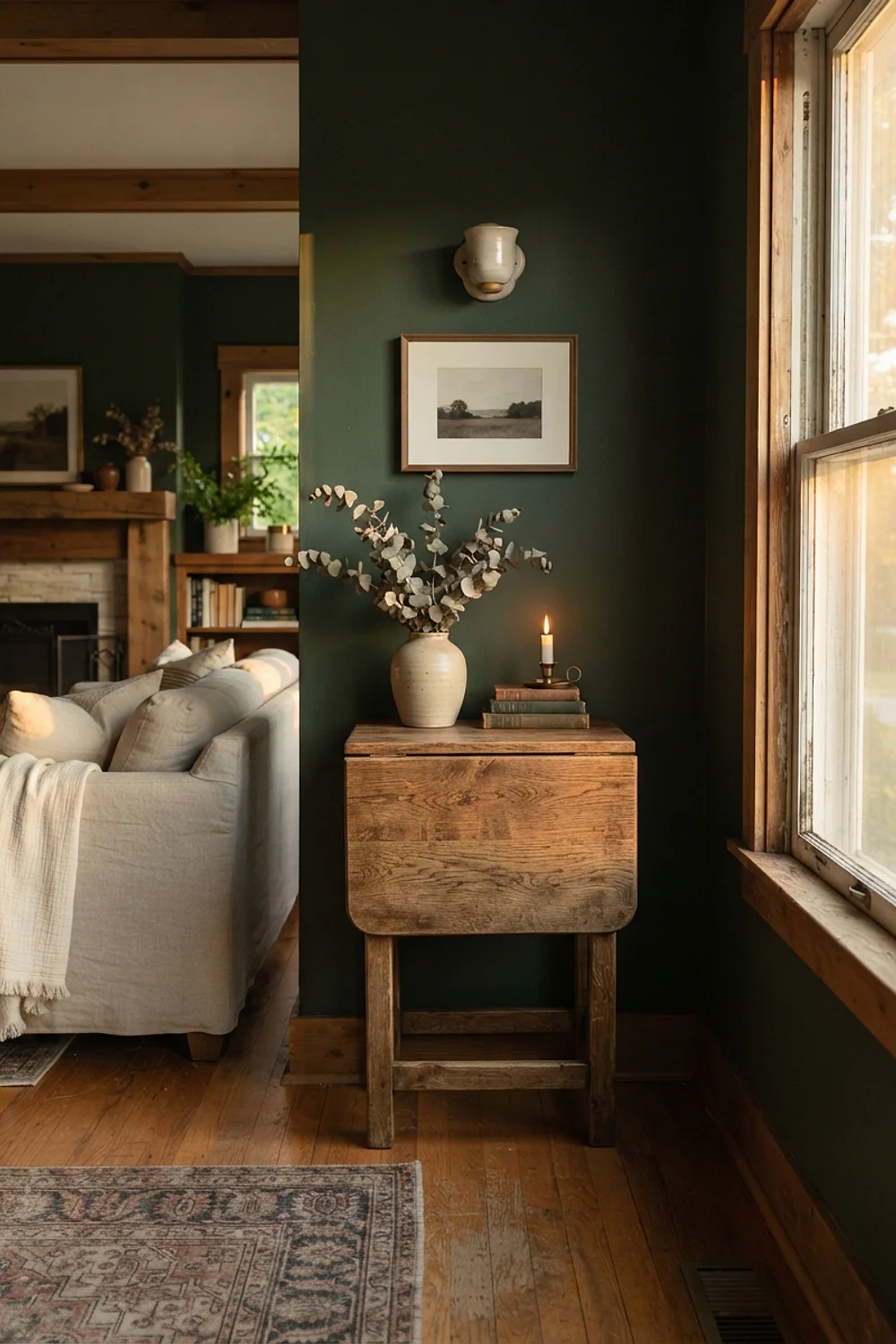
A thrifted drop-leaf Pembroke table folds down to 12 inches wide and opens to around 30, usually for $60-120. It suits small homes that host: closed, it fits against a wall, and open, it seats a pair for a snack. Look for coffee-height versions.
Check the swing-out supports before buying. Loose hinges or a cracked leaf rail mean the table sags under weight, and fixing those takes more skill than most weekend projects.
A ceramic garden stool as a table
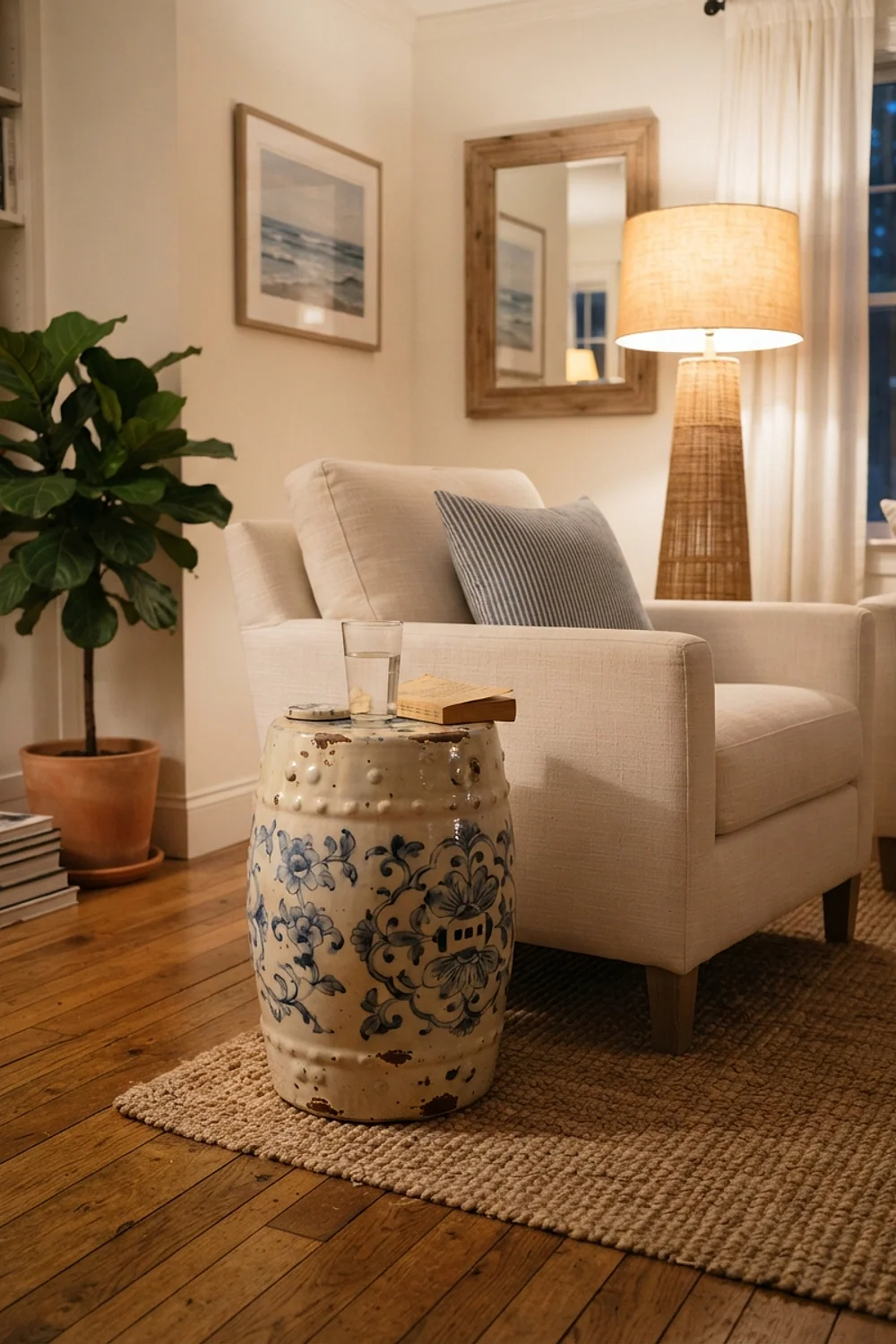
A glazed ceramic or teak garden stool, the kind you’d find in the backyard decoration aisle, stands 17-19 inches tall. Set a round tray on top and it doubles the surface area. The glaze adds color without any painting.
The stool’s diameter is often 13 inches, which is small, so pair it with a 16-inch tray. Make sure the base is wide enough not to tip, and put a coaster under the tray to protect the glaze.
A mirror-topped table that bounces light
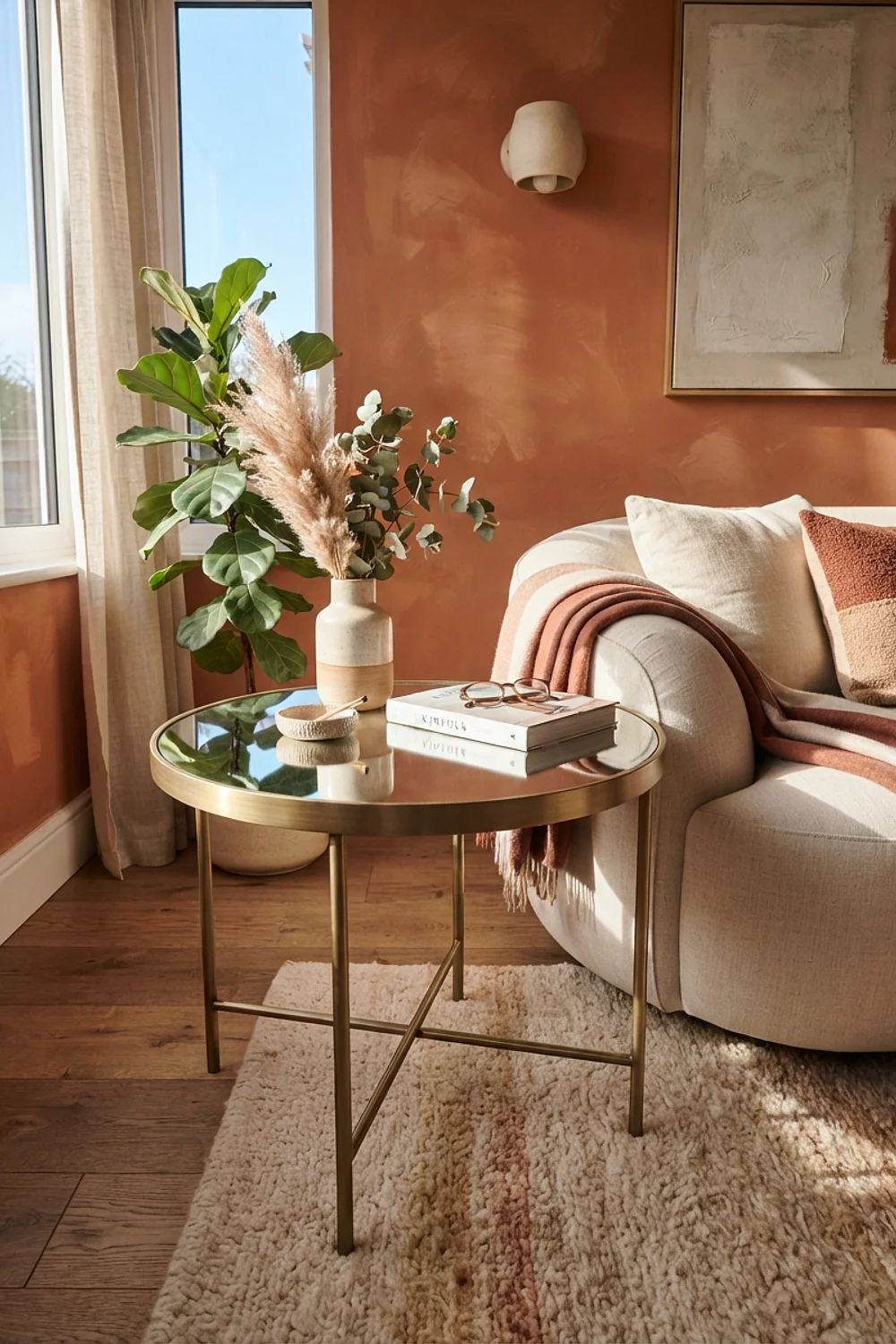
A mirror-topped table, found secondhand for $35-90, bounces afternoon light up toward the ceiling. In a room with a single window, the reflection brightens the whole corner. The top also makes a small table look more substantial.
Fingerprints show instantly, so wipe it with a microfiber cloth and a drop of dish soap in water. Avoid putting it across from the TV, where it throws a second screen of glare.
An ebonized oak table in a pale room
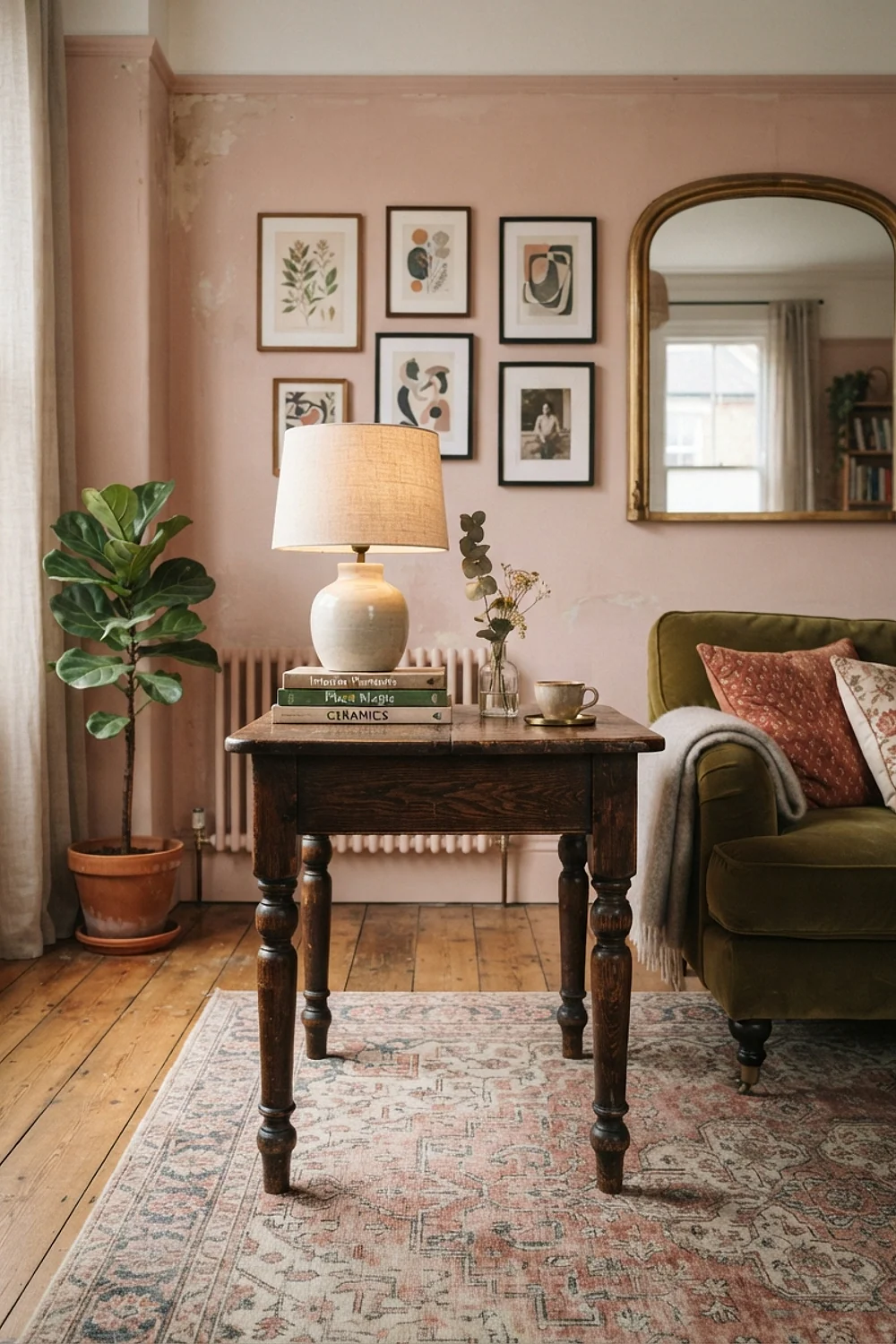
Steel wool soaked in white vinegar for 24-48 hours turns oak a deep, inky black without paint. The reaction works because oak is high in tannins, so it fails on pine, which blotches. Against pale room colors, the dark top gives the room an anchor.
Test on the underside first, then seal with a matte polyurethane so the black doesn’t rub off on sleeves. This is a good project for anyone who loves contrast but can’t afford a designer finish.
An upholstered ottoman with a hard tray
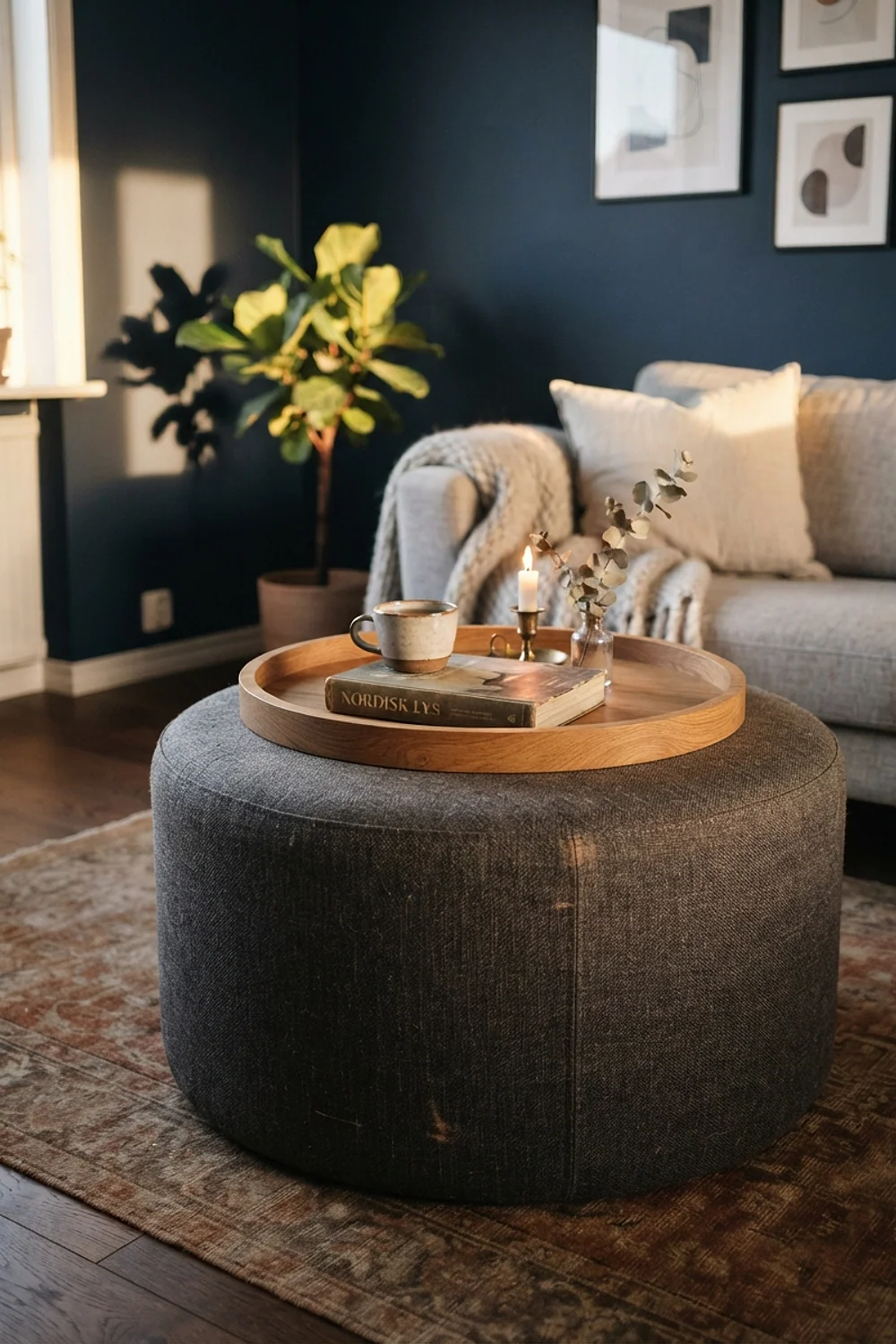
A 36-inch square ottoman, about 17 inches tall, in performance fabric lets you put your feet up and then flips to a table with a 18×24 tray. It’s the friendliest option for families with toddlers, since the edges are padded. Choose a removable cushion so you can wash the cover.
The tray must be sealed on both sides, or condensation from cold drinks warps it. Skip fabrics with a loose weave, which snag on anything with claws.
The pieces that earn their place
A living room table turns up cheapest where sellers want the item gone fast. Start with these sources:
- Estate sales on the final day, when most are marked 50% off.
- Facebook Marketplace, searching “solid wood coffee table” and sorting by newest.
- Habitat for Humanity ReStore, which gets steady donations of oak and pine pieces.
- Stone yards, for marble and granite offcuts that never reach a showroom.
- College towns in May, when students dump furniture before moving out.
A rainy Sunday morning beats a sunny one at garage sales because the crowds thin out. Bring a tape measure, a flashlight to check underneath for woodworm holes, and a blanket to protect the car’s upholstery.
DIY vs store-bought: honest comparison
DIY wins on materials and size. A $25 solid-wood refinish can outlast a $200 flat-pack table, and you choose the exact dimensions. The cost is time, usually a full weekend, and a learning curve with stain and sealer.
Store-bought wins when you need a warranty, a mechanism (lift-tops, drop-leaves), or a deadline. A new piece also arrives ready to use, with no drying time and no fumes.
- Choose DIY for solid wood, odd sizes, and color matching.
- Choose store-bought for glass, folding hardware, and guest-ready speed.
- Mix both: buy a plain top new and add thrifted legs.
Where the money belongs
Spend on the top and the joinery. A thick, solid top and tight corner joints are the parts that decide whether a table lasts 3 years or 30. Everything else can be swapped later.
Save on trays, vases, and books. Those are the pieces that change with taste and season, so buying them secondhand costs you nothing in the long run.
The pieces that changed everything
A living room table fails most often on measurements, not looks. Write these numbers down before leaving the house:
- Sofa seat height, usually 17-19 inches.
- Sofa length, then multiply by two-thirds for the maximum table length.
- Walkway width, which should stay at 18 inches or more.
- Door and stair width, so the table fits through on delivery day.
Leave 14 inches between table and sofa. Wait, no, scratch that: 16-18 inches is the better range, because 14 leaves no room to stand up with a drink in hand.
Pitfalls to sidestep
Buying the whole matching set at once tops the list. Matching sets lock you into one finish, and when the sofa changes, everything looks dated together.
Choosing a glass top for a home with small children is another. Tempered glass is safe, but every handprint shows and the corners are unforgiving. Wood hides life far better.
Care and upkeep for a table that lasts
A quick daily refresh takes 30 seconds: wipe the top with a damp microfiber cloth. Add coasters and felt pads under any ceramic pieces to protect the finish.
Once a year, reapply oil or wax to bare wood. During a dry winter, when heating pulls moisture from the air, solid tops crack at joints, so keep them away from radiators.
The short version
A good living room table comes from measuring first, buying solid materials, and ignoring whatever’s trending this month. Start with one piece, and let the rest of the room grow around it.
Save or pin this list so it’s handy when you’re ready to shop. Before buying anything, measure your sofa’s seat height and write it on your phone’s notes app.
Frequently asked questions
How much should a decent living room table cost?
Expect $40-150 for a solid-wood secondhand piece, and $150-300 new for something comparable. Anything under $60 new is usually particleboard, which swells at the first spill.
Can a living room table work in a rental?
Yes, and freestanding pieces are the best choice because nothing gets screwed into the walls. Lift-tops, drop-leaves, and nesting sets also move easily when the lease ends.
What finish survives hot mugs and kids?
A wipe-on polyurethane in satin holds up best, and two to three thin coats outlast one thick coat. Oil finishes look better but need yearly touch-ups.
Can I use an outdoor piece as a living room table?
Yes, a teak or ceramic garden stool works well if the base is stable and the surface is sealed. Check it for dirt and insects before bringing it indoors.