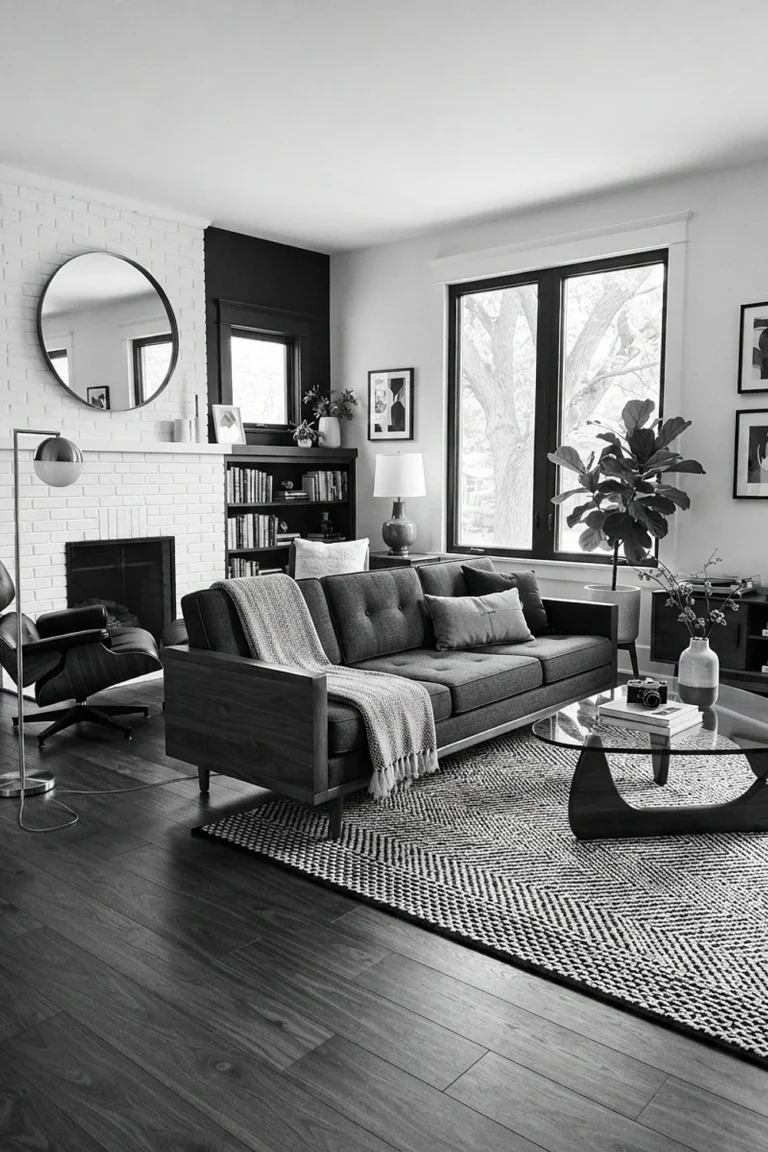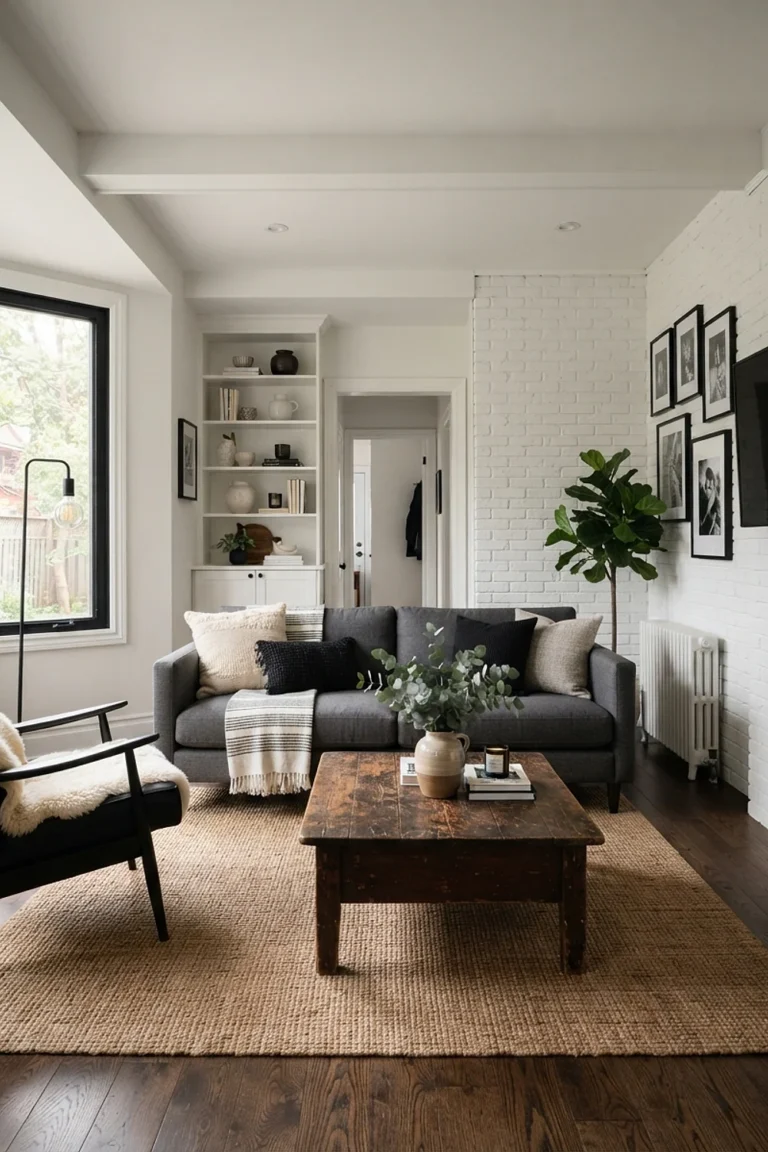
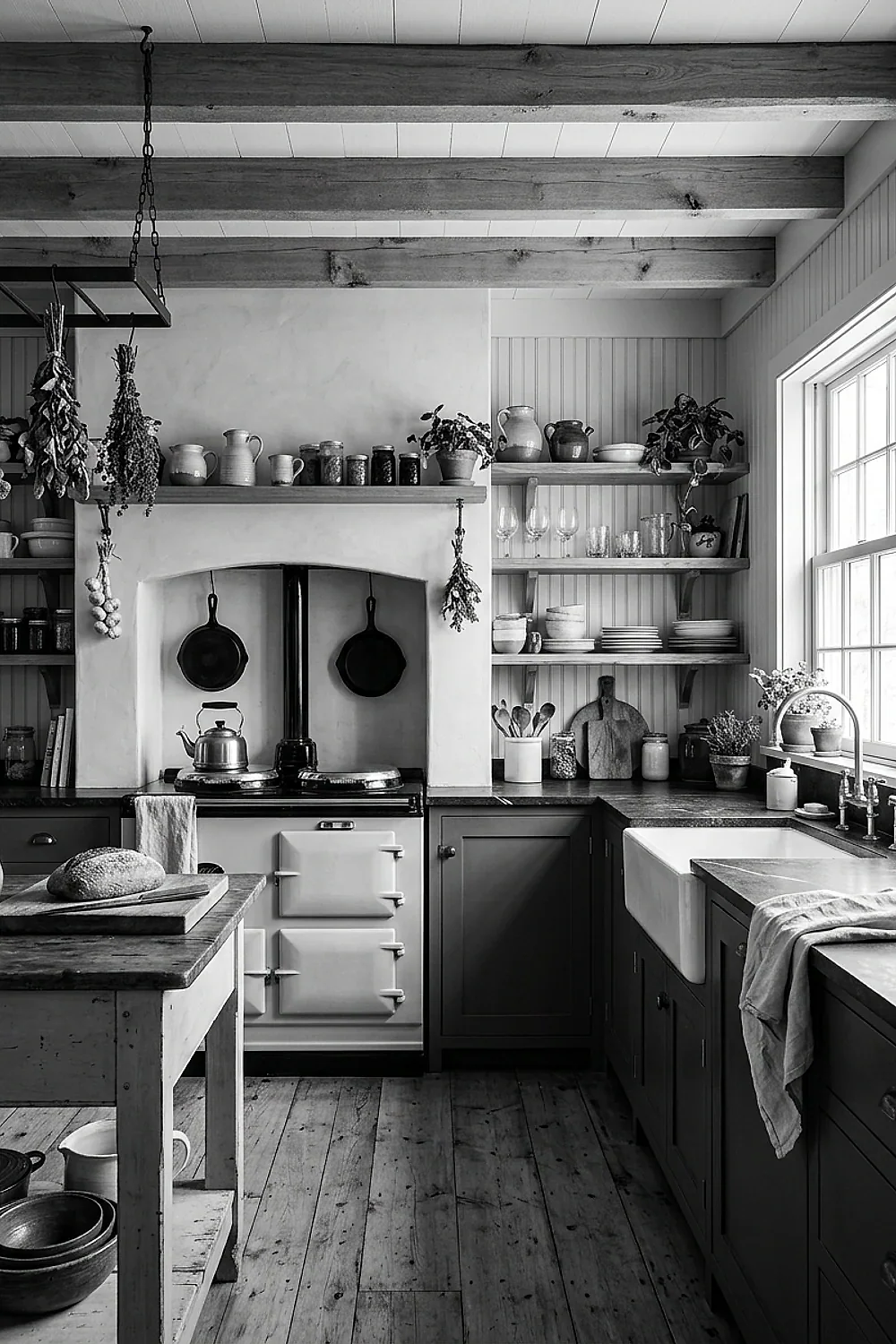
6 Cottagecore Kitchen Mistakes To Avoid
Most cottage kitchens fail because they were shopped for in one afternoon instead of collected over time. A cottagecore kitchen assembled from a single big-box aisle looks like a set for a candle commercial, and it starts feeling dated in about two years.
Below are six mistakes that cause that, each paired with the fix. Skim the headings if you’re short on time, because every item stands on its own.
What went wrong
Every mistake here follows one pattern: a trend gets bought in bulk, and durability loses. The fixes lean on materials that wear well and pieces that can move to another room if the style shifts.
1. Buying a matching themed set
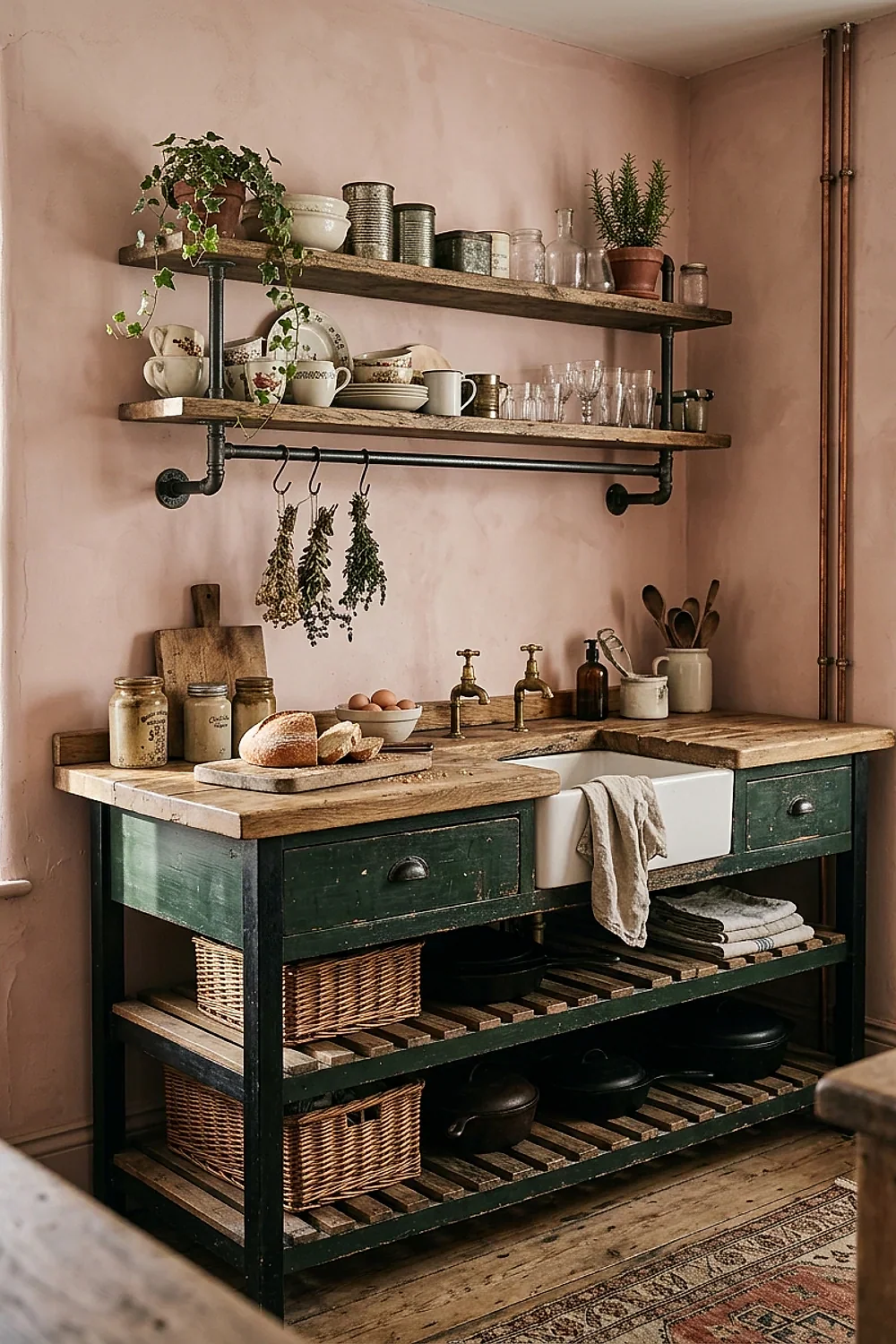
A rooster canister set, a lettered “gather” sign and a gingham towel bundle arrive in one box and read as a costume. The backfire is slow. One-motif sets and word signs are the first things to feel like a trend once it passes, and they don’t blend into any other room.
Gather mismatched pieces across decades instead. Flea markets and estate sales sell speckled enamelware pots for roughly $8-25, and a chipped rim reads as honest age. Keep it to two pieces of any one pattern.
2. Painting every cabinet a trendy saturated green
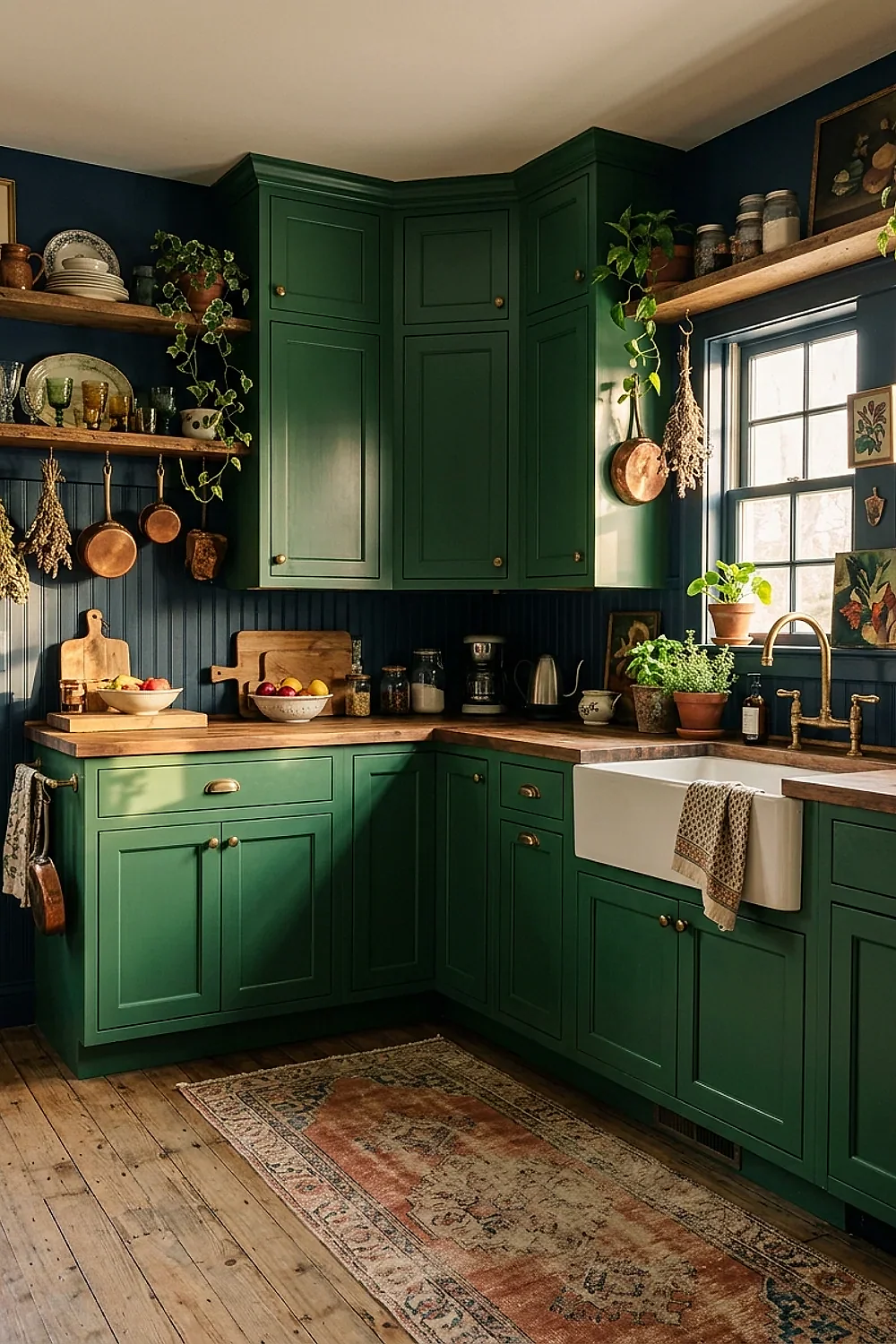
Sage and moss cabinets photograph well, then limit every later decision. Once the doors are a strong green, the countertop, floor and wall behind them all have to negotiate with it, and buyers see a repaint job waiting for them.
A softer base such as Benjamin Moore White Dove, or a warm putty, keeps your room colors flexible. Let green arrive through a painted bench, potted herbs or linen curtains.
For the doors, use a satin or semi-gloss cabinet enamel. Chalk paint feels powdery under your fingertips and holds fingerprints, unless it’s sealed with two coats of wax or water-based topcoat.
3. Installing a 36-inch apron sink in a small room
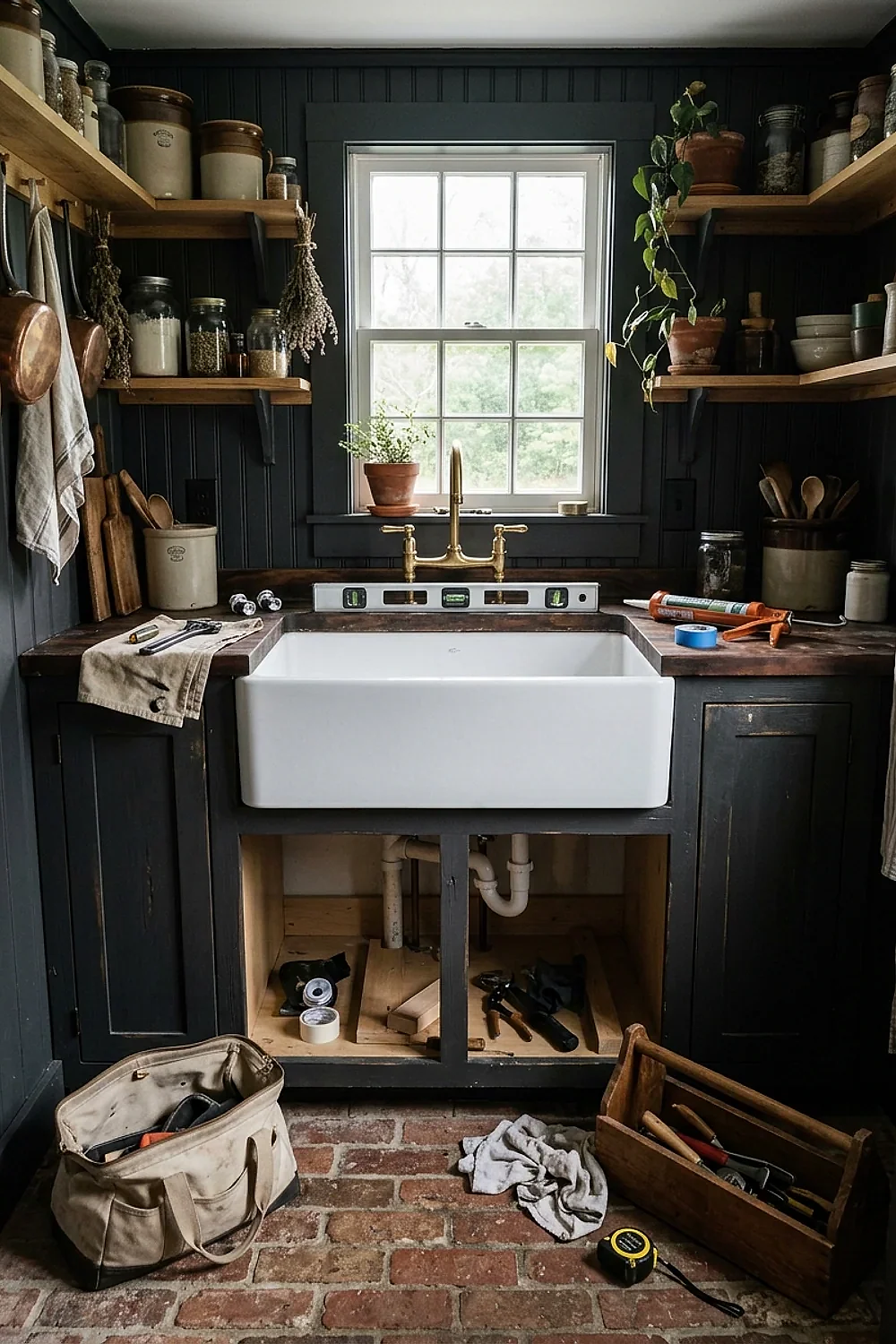
A big fireclay apron sink is the emblem of the look, but in a kitchen under about 120 square feet it swallows the counter. On a wall with 8 feet of counter, a 36-inch basin leaves barely 4 feet for prep and landing space.
A single-bowl model between 24 and 30 inches keeps the charm and the workspace. Fireclay also weighs well over 100 pounds, so the base cabinet needs reinforcing, and many apron fronts need a specific cabinet width. Check the spec sheet before ordering.
4. Replacing every upper cabinet with open shelves
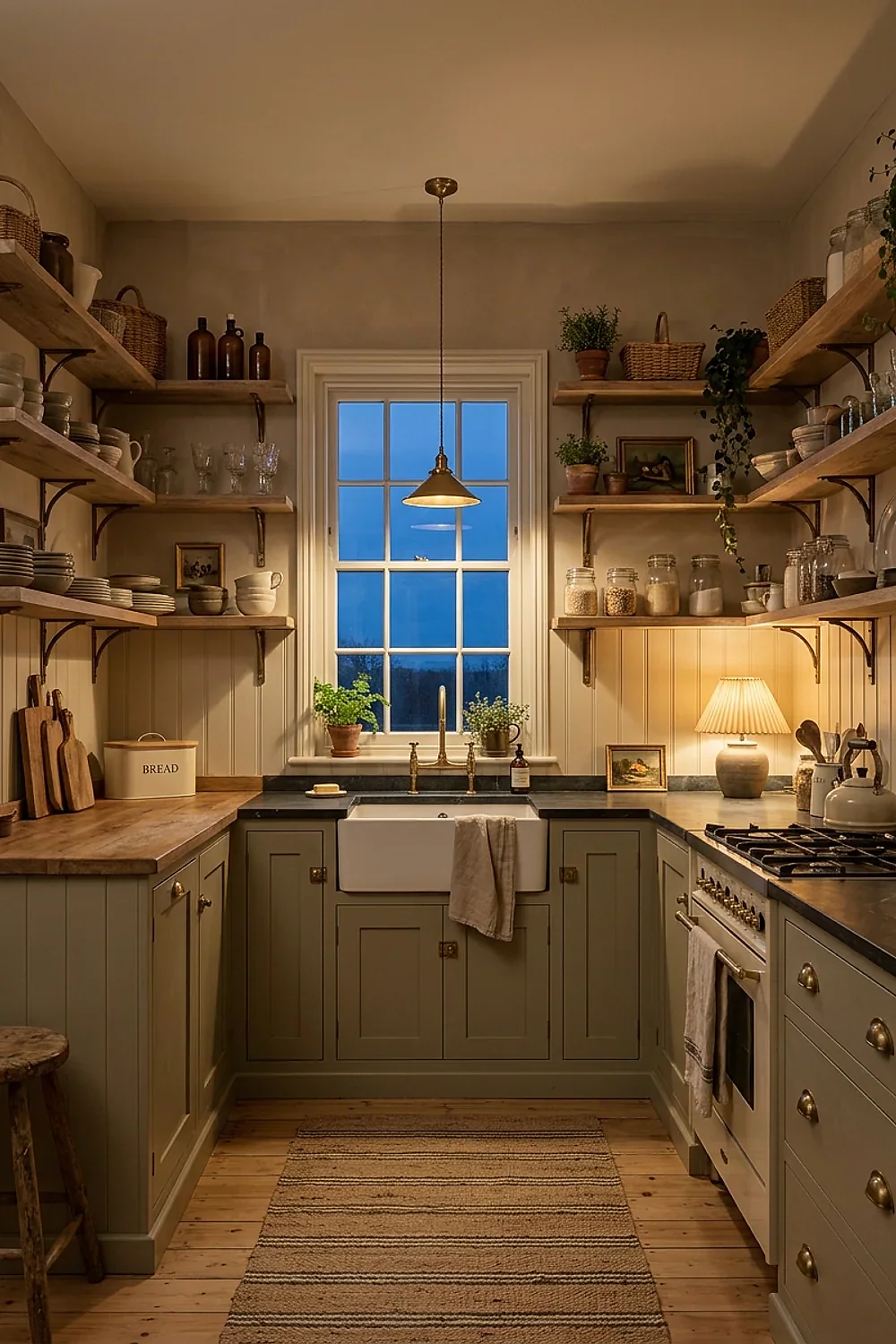
Open shelves look airy on day one. Within a month, anything within 4 feet of the range wears a sticky film of airborne splatter that needs washing every few weeks.
Keep closed cabinets beside the range and put open shelves, 10-12 inches deep, on the far wall for the plates and bowls used daily. Stoneware stacked there gives a low clink every time one is lifted, and that sound is half the charm. Households with kids or pets do better with one open run instead of two.
5. Squeezing in a farm table that blocks the walkway
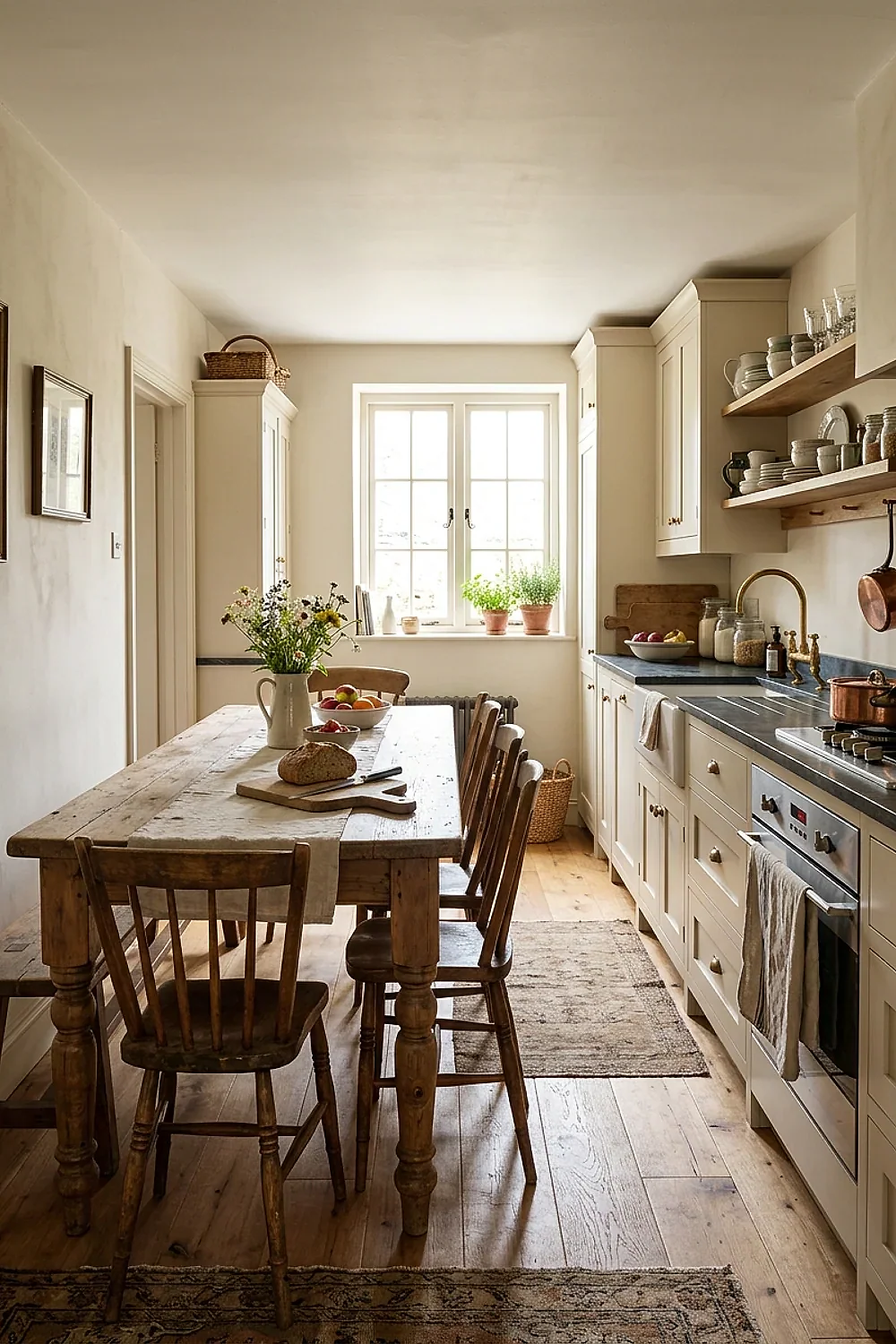
A 72-inch farmhouse table in a galley-style room turns the kitchen into an obstacle course. Walkways need about 36-42 inches of clearance, and a pulled-out chair needs another 24 inches behind it.
If the numbers don’t work, choose a drop-leaf table that folds to 12 inches, or a 24-inch-deep baker’s rack along one wall. Tape the footprint on the floor for three days before buying. It’s the cheapest test there is.
6. Displaying every collected piece in the open
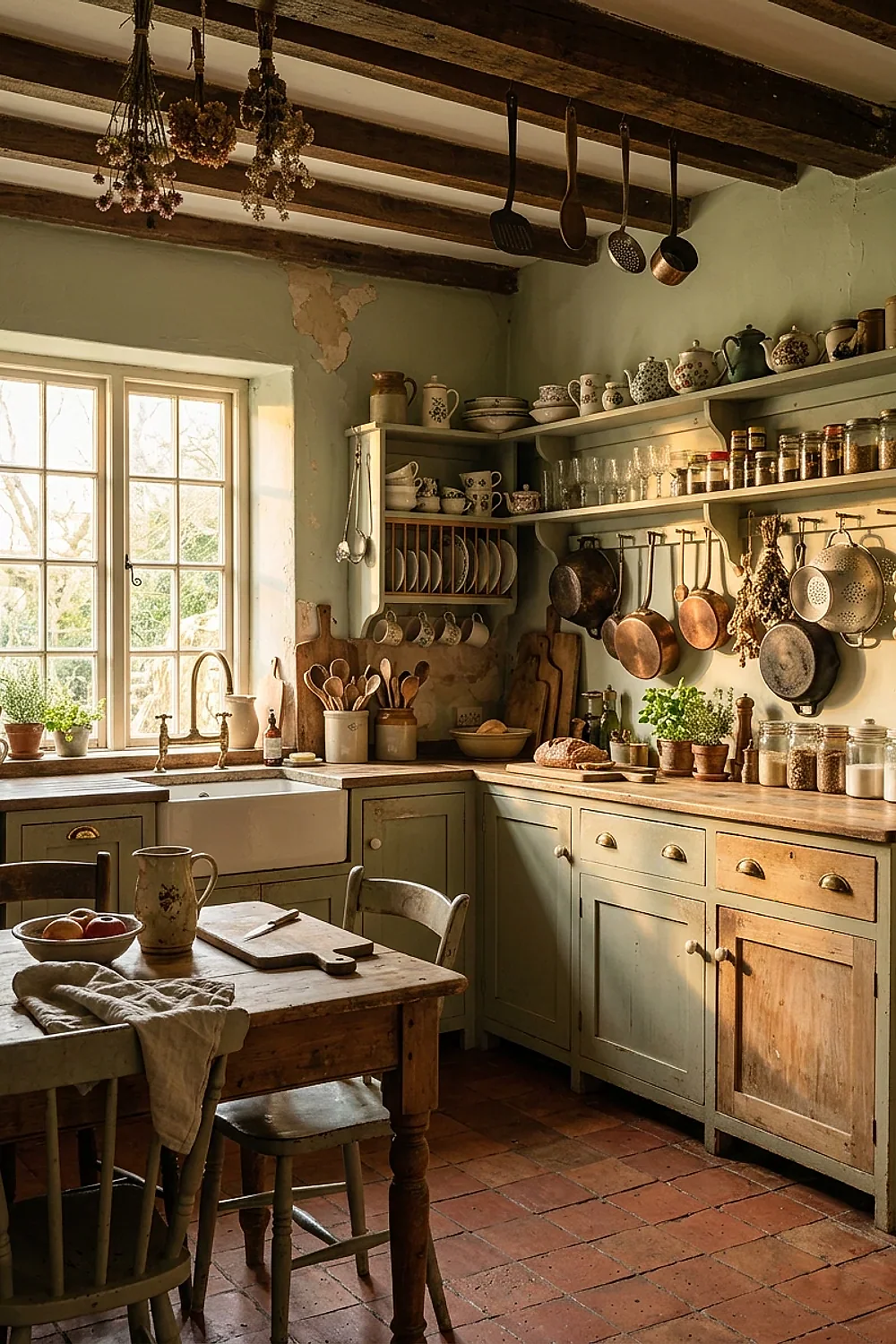
Collecting is the point, but putting all of it out turns a cottagecore kitchen into a shop. The eye needs places to rest, and counters need clear surface to work on.
Display about a third and store the rest behind doors. A 2-gallon stoneware crock runs about $30-45 and holds wooden spoons without reading as clutter. Galvanized buckets, a staple of backyard decoration, work indoors too, for kindling, linens or potatoes.
Cottagecore kitchen pieces compared side by side
Some pairings come up again and again at the flea market and the hardware store. Here’s how they compare for people who plan to keep them for ten years:
- Enamelware vs glazed stoneware: enamel chips, and the exposed steel rusts if left wet. Stoneware can crack but won’t rust. Use enamel for display and stoneware for daily use.
- Unlacquered brass faucet vs oil-rubbed bronze: brass darkens into an even patina within weeks and can be polished back. Bronze finishes tend to wear unevenly where hands land.
- 1.5-inch maple butcher block vs wood-look laminate: butcher block needs oiling monthly at first, but it can be sanded and refinished. Laminate can’t be repaired once it’s scorched.
The pattern is that anything repairable beats anything that only looks old. Pick the materials that can be fixed.
How it all comes together
A cottagecore kitchen comes together fastest in a set order. The sequence matters because each step limits the next.
- Measure walkways, counter runs and door swings before buying anything large.
- Choose three colors: a warm neutral, one muted accent and one wood tone.
- Test paint on two walls with 8-inch swatches for three days and check them at 4pm, when the light turns golden and shows undertones.
- Buy one new anchor, such as the sink or the counter, and fill the rest secondhand.
Rainy late-October afternoons are the best time to test, because flat gray light exposes any paint that goes muddy.
One rule worth breaking: skip the all-antique mandate
Conventional advice says everything in a cottage kitchen should be old. That rule backfires for anything touching food or water. Crazed glaze on very old pottery can contain lead, and chipped enamel exposes bare iron.
Buy new for cutting boards, faucets and kettles, and keep the vintage for shelves, baskets and linens. Perfectly “distressed” new pieces look worse than honestly worn ones, so the contrast actually helps. The room reads as lived in instead of staged.
Keeping the look from drifting into clutter
A cottagecore kitchen needs a weekly reset or the collected look turns into a pile. Five minutes on a Sunday is enough if the rules are clear.
- Limit counters to five objects beyond the appliances.
- Rotate linens by season, and store the off-season set in a cedar chest.
- Re-oil wooden boards and counters when water stops beading on them.
When to call a professional
Some parts of a cottagecore kitchen shouldn’t be tackled alone. Hire a licensed pro for these:
- Plumber: any apron sink installation, since the cabinet needs modifying and the basin weighs over 100 pounds.
- Electrician: new pendants or under-cabinet lighting, particularly over a sink.
- Lead testing: homes built before 1978 need testing before sanding old painted cabinets.
- Contractor: removing upper cabinets on a wall that might hide wiring or pipes.
The short version
A good cottagecore kitchen is built from repairable materials, measured clearances and a handful of pieces that earned their place. Skip the matching sets and the trend paint. Buy slowly.
Save or pin this list so it’s handy when you start shopping. Begin by taping out your walkways on the floor, since that single measurement rules out the worst mistakes.
Frequently Asked Questions
Can a cottagecore kitchen work in a rental?
Yes, with removable pieces. Peel-and-stick tile, freestanding shelves, curtains on tension rods and a butcher-block cutting top that sits on the existing counter all leave no marks. Swap the cabinet hardware and keep the originals in a bag for move-out.
How much does it cost to refresh a cottage-style kitchen without renovating?
A paint refresh, new hardware, a few secondhand finds and linens typically lands between $300 and $900. Cabinet paint and quality hinges are the places to spend. Decor can be gathered gradually.
Which wood tones go together in a cottagecore kitchen?
Pick one dominant wood and one contrasting tone, then repeat each at least twice. A honey oak table with a dark walnut board works because both appear in more than one spot. Three or more tones with no repetition looks accidental.
What light bulbs suit a cottage-style kitchen?
Choose bulbs rated 2700K, which give a warm, candle-like glow. Anything above 3000K turns creamy paint a cold blue-white. Dimmers on pendants let a cottagecore kitchen shift from bright prep light to soft evening light.